

Spotting a black spot on one of your teeth can be quite disturbing. You might then brush your teeth once more, check in a different mirror, or use your tongue to feel around the area in order to decide if it’s a stain, a cavity, or something that is caught between your teeth.
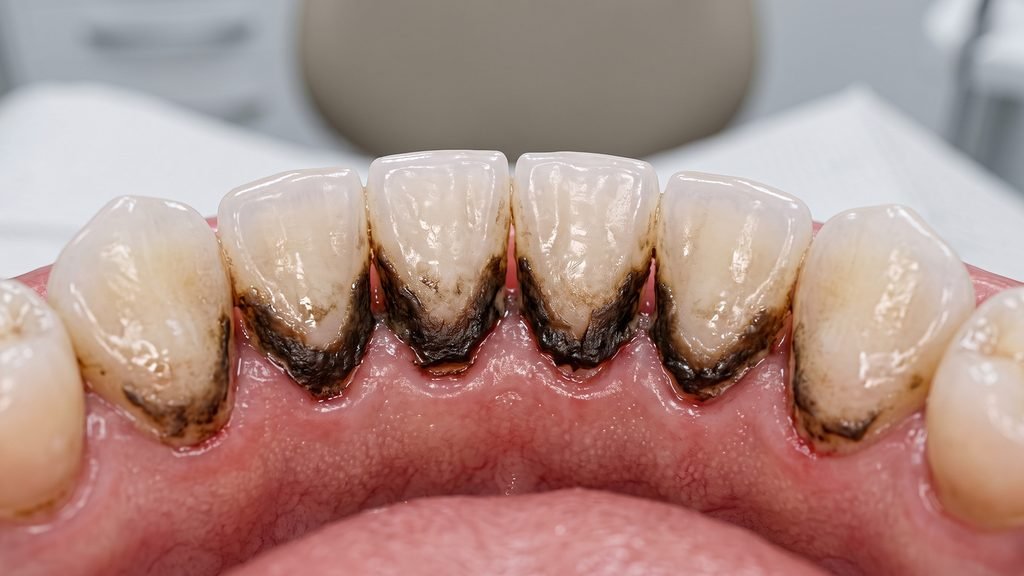
The dark area can be black tartar on the teeth, a condition known as dental calculus. This tartar is plaque that has hardened and can darken as it picks up stains or when it is situated near the gumline; it may also appear black when blood mixes with the tartar under inflamed gums.
Not all black stains are tartar; a cavity, a damaged filling, tooth decay, or another dental issue can look similar. Which is why the most safe initial action is to have a dental examination rather than attempting to remove the area at home.
The following explains the possible reasons for the formation of black tartar, why this is important, how a dental professional gets rid of it, and what steps you can take to prevent it coming back.
What is black tartar?
Plaque is a soft, sticky film that forms on the teeth throughout the day. It consists of bacteria, saliva, and food debris. A great deal of this film can be removed by brushing and cleaning between the teeth. If the plaque remains in place, minerals in saliva can cause it to harden into tartar, also known as calculus. Tartar has a rough or crusty feel and sticks firmly to the tooth. Unlike soft plaque, it generally cannot be removed by normal brushing and flossing.
Tartar can start off as a pale yellow or off-white build-up. As time goes on, it can take on color from coffee, tea, red wine, tobacco, and food and may then turn brown or black, particularly near the gumline.
You can’t tell from the color exactly how old the tartar is or what stage any gum problem may have reached. Instead, the dark deposit should be examined rather than just judged by its appearance.
Why does tartar turn black?
Tobacco use
The surface of tartar can become stained by smoking and other tobacco products, since the rough texture of calculus retains pigment more readily than a clean and smooth tooth surface. People who smoke might notice a dark line particularly behind the lower front teeth or along the gumline.
Tobacco use also raises the chances of getting gum disease and makes it more difficult for the gums to heal. If you are considering stopping, your dentist or doctor can direct you to practical support.
Coffee, tea, and red wine
Coffee, black tea, red wine, cola, and strongly colored foods can cause external stains; these stains may cover the tartar and make it appear darker than it otherwise would.
It may be helpful to reduce consumption of staining drinks, but this will not dissolve existing calculus; to remove the hard deposit, a professional cleaning is required.
Blood beneath the gumline
Tartar that develops beneath the gums can irritate the tissue and lead to bleeding; when the blood mixes with the deposit, the tartar may look dark brown or black, and you might not be able to see the full amount of the buildup since part of it is hidden below the gumline.
Bleeding while brushing or flossing shouldn’t be considered normal, as it could indicate gingivitis or another gum issue that requires attention.
Time and mineral buildup
The longer tartar stays in place, the more likely it is to accumulate bacteria, stain, and become more noticeable. Tartar that has been there for a long time may appear very different from tartar that has just formed.
Is each black spot on a tooth the result of tartar?
By no means; a black or dark mark might have a number of possible causes.
The discoloration might be due to staining from food or tobacco, or it could be caused by tartar bonded to the tooth. It is also possible that the problem is tooth decay, a cracked or leaking filling, discoloration inside the tooth, or a dark border around a crown or other restoration.
A dark spot or shadow might be what a cavity looks like, particularly in a groove or between teeth. Decay can also lead to sensitivity, pain, food getting trapped, or a rough surface. One should not assume that a black mark is harmless just because it does not cause pain.
If necessary, the dentist can examine the area under good lighting, use dental instruments, check the gums, and take an X-ray, all of which help distinguish between surface buildup and a problem inside the tooth.
What risks are there in not treating black tartar?
While the first thing that might come to mind is how your teeth look, tartar can affect the health of your gums and teeth.
Gum inflammation
Tartar produces a rough surface which helps fresh plaque to adhere. Bacteria at the gum line can cause gingivitis, which may result in the gums becoming red, swollen, tender, or prone to bleeding.
Early gum inflammation can usually be improved by having plaque removed and by performing daily cleaning. However, tartar still has to be removed by a professional.
Gum recession and deeper gum pockets
If inflammation persists, the gums could pull away from the teeth, and pockets might form around them, making them hard to clean at home. In advanced cases, gum disease can affect the tissues and bone that support the teeth.
It doesn’t follow that every individual with black tartar will suffer from serious gum disease, but the risk does increase if the buildup is not treated, especially when other risk factors are present.
Tooth decay
The fact that a tooth is tartar-covered doesn’t mean it has a cavity, but tartar can hold plaque in place against the tooth, making it more difficult to clean the tooth properly. The plaque bacteria use the sugars from food and drink to produce acids which can damage the enamel.
Bad breath or unpleasant taste
Bacteria and food trapped around tartar can cause bad breath or a bad taste in the mouth, and although mouthwash can temporarily mask the odor, it cannot remove the deposit that keeps the bacteria in place.
What is the procedure for removing black tartar?
The correct method for removing black tartar from your teeth is professional scaling, during which a dentist or dental hygienist uses specialized instruments to loosen and remove calculus from the tooth surfaces and gumline.
In cases where the buildup is primarily above the gumline, routine scaling and polishing may be appropriate. The hygienist can use hand instruments, ultrasonic equipment, or both. The teeth can then be polished to remove some surface staining and make the surfaces smoother.
In some cases, you’ll need a more thorough cleaning if tartar has accumulated below the gumline or if there are signs of gum disease; scaling and root planing remove deposits from these deeper areas and leave the root surfaces smooth. The treatment can be carried out over several visits, with the number depending on the amount of buildup and the condition of your gums.
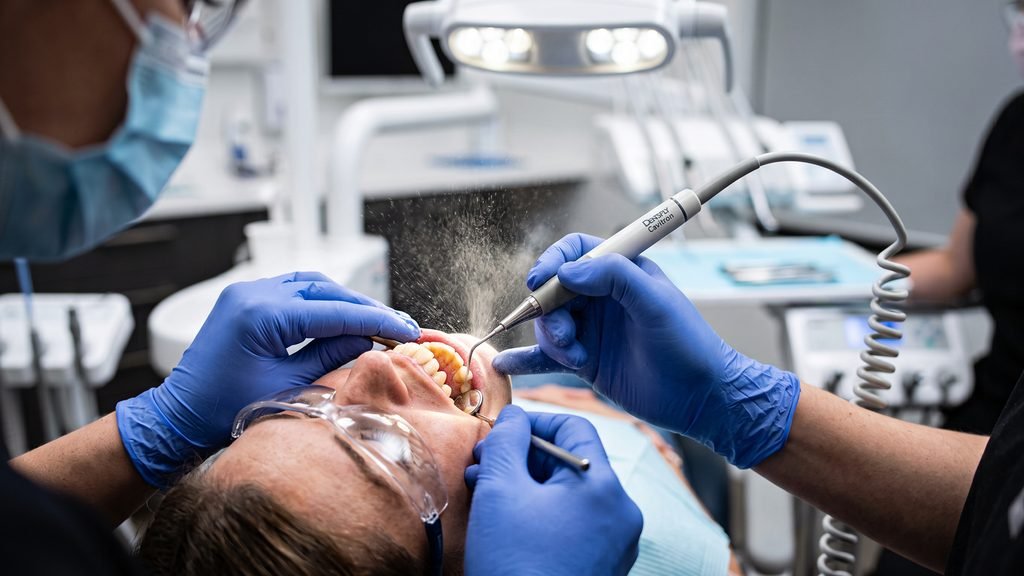
The NHS refers to scale and polish as a professional treatment that carefully removes plaque and tartar from the teeth, and your dentist will decide on the right level of cleaning after examining your mouth.
Is it possible for you to get the black tartar removed at home?
It is possible to get rid of soft plaque at home, but you cannot safely remove the established tartar from your teeth by yourself.
There is a temptation to use a metal dental tool, a pin, a fingernail, or a sharp scaler that is available online. Such methods can cut the gums, scratch the enamel, damage fillings or crowns, and drive debris beneath the gumline. Moreover, you might remove only the visible portion while leaving the underlying buildup behind.
One should be careful when using at-home remedies containing vinegar, lemon juice, charcoal, or abrasive powders, since acids can weaken enamel and abrasive substances can wear down the tooth surface. Although whitening products may help lighten certain surface stains, they cannot remove tartar.
If a piece of tartar comes off while you are eating or brushing, do not assume the area is clean, as it could leave a sharp edge or reveal a dental issue. You should book a dental appointment so that the remaining tartar and the tooth surface can be examined.
What takes place when a professional cleaning is carried out?
The dentist or hygienist will begin by examining your teeth and gums, and they might ask whether you have bleeding, sensitivity, a dry mouth, smoke, what medications you are taking, and how soon you notice the buildup returning.
When you are having your teeth scaled, you might experience vibration, water, a feeling of pressure, or slight sensitivity. If your gums are inflamed or there is a lot of buildup and you feel uncomfortable, let the dental staff know, and they will be able to discuss ways to make the appointment more comfortable.
Your teeth may feel smoother after the cleaning, and your gums might be a bit tender for a short time, particularly if the cleaning included removing deposits below the gumline. Make sure to follow the aftercare instructions and contact the dental office if you experience severe pain, swelling, or bleeding that doesn’t improve.
What do you need to do to avoid black tartar returning?
The focus of prevention is to remove plaque before it has a chance to harden. Brush your teeth twice each day using fluoride toothpaste and a toothbrush with soft bristles. When cleaning, you should gently care for the gumline rather than scrub it too hard.
Floss your teeth once a day, or use interdental brushes or another tool recommended for your mouth; this is important because a toothbrush cannot clean all the surfaces between the teeth.
If you have braces, bridges, crowns, implants, or crowded teeth, ask your dentist or hygienist to show you the most appropriate cleaning method for your case. Since dry mouth can make it more likely for plaque to build up, it is important to drink water frequently and talk to a healthcare professional about any continuing dryness.
Stick to having sugary snacks and drinks only occasionally. After drinking coffee, tea, or other drinks that can stain your teeth, rinse your mouth out with water. It is important not to smoke or use any tobacco products, and if it proves difficult to stop, then look for support.
You should plan your professional cleanings based on your individual needs; some people can manage with visits every six months or so, while others tend to develop tartar or gum disease more quickly and therefore require a more frequent cleaning schedule.

| Daily or regular habit | Why it helps |
| Brush twice a day with fluoride toothpaste | Removes soft plaque from tooth surfaces and the gumline. |
| Clean between teeth daily | Reaches areas a toothbrush cannot clean effectively. |
| Drink water regularly | Helps manage dry mouth and rinse loose debris. |
| Limit tobacco and frequent staining drinks | Reduces staining and some tartar risk factors. |
| Attend dental examinations and cleanings | Removes established tartar and checks for gum disease or decay. |
When should you see a dentist?
Arrange an appointment if you notice black tartar, a dark mark that does not brush away, bleeding gums, or persistent bad breath. If the dark area is accompanied by a toothache, swelling, pus, fever, or pain when biting, you should seek prompt dental care. In the case of facial swelling, difficulty swallowing, or difficulty breathing, urgent attention must be sought.
Conculsion
Black tartar on teeth usually develops when hardened plaque absorbs stains or becomes dark around inflamed, bleeding gums. It can look unpleasant, but the larger concern is what may be happening beneath or around it.
Do not try to scrape the deposit off at home. A dentist or dental hygienist can safely remove it, determine whether the dark area is actually tartar, and identify cavities or gum disease that may require treatment.
With thorough daily cleaning, regular professional care, and attention to tobacco and staining habits, you can reduce the chance of black tartar returning. If you have spotted a dark, hard deposit, booking an examination is the most useful next step.