
If you look carefully in the mirror, you will be able to see a rough yellow line close to the gums, a brown spot between two teeth, or a hard deposit that never goes away even if you brush very carefully.
That accumulation is usually hardened plaque, also known as tartar or dental calculus. It is common, but you should not ignore it. Hardened plaque can make your teeth appear stained, irritate your gums, and create more areas for bacteria to accumulate.
The good news is that it can be dealt with; it’s essential to know what you can safely address at home, what needs to be treated by a professional, and how to prevent the buildup from returning so quickly.
What is hardened plaque?
Plaque is a soft, sticky layer that forms on your teeth all day long, and it consists of bacteria, bits of food, and materials from saliva. Most of it can be removed by brushing and cleaning between the teeth before it leads to problems.
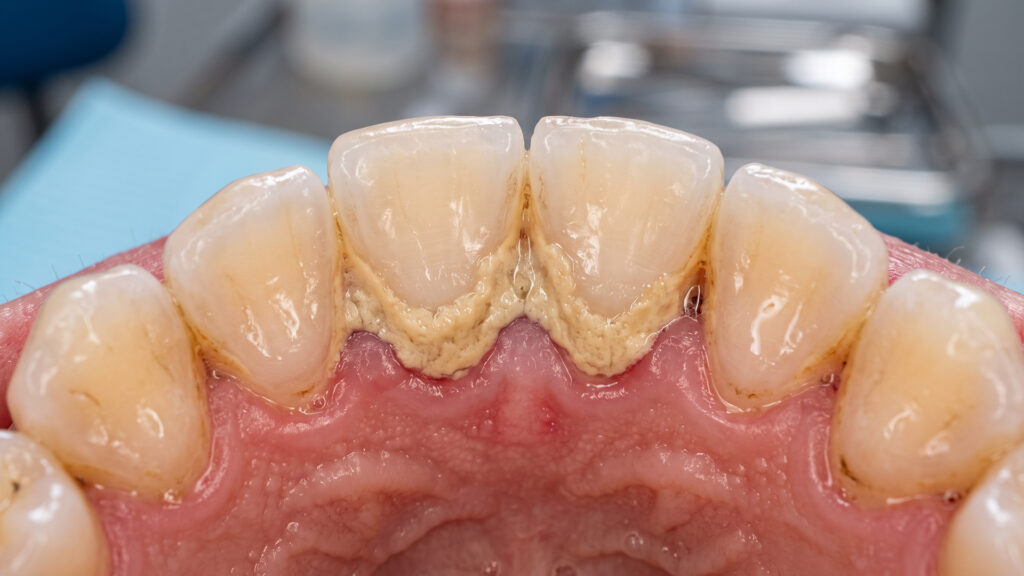
If plaque builds up on a tooth for a long time, the minerals in saliva can cause it to harden. The end product is a solid deposit known as tartar, calculus, or hardened plaque, and it can form both above the gumline, where it is visible, and below the gumline, where it is not.
Hardened plaque cannot generally be eliminated just by brushing and flossing, unlike soft plaque. It adheres firmly to the tooth surface and is therefore safely removed by a dentist or dental hygienist using specialized instruments.
That is why merely brushing more forcefully does not solve the problem. When plaque has hardened, no amount of pressure can turn it back into a soft film; instead, it may irritate your gums or wear down the enamel and gum tissue if you brush aggressively.
What does hardened plaque look or feel like?
Hardened plaque can vary in color and texture and may appear pale yellow, tan, brown, or even dark near the gumline. Substances such as tobacco, coffee, tea, red wine, and some foods can cause the deposits to appear darker, but the color by itself does not show how serious the buildup is.
Your tongue might detect a rough or crusty spot. After brushing, your teeth may appear less smooth. Occasionally, people notice bad breath or an unpleasant taste, particularly when buildup is caught between the teeth or under the gums.
It is also possible to have plaque or tartar without any noticeable symptoms. Gum disease can progress silently, so the absence of pain doesn’t always mean your mouth is in good condition.
Why does hardened plaque form?
Hardened plaque generally starts when plaque is not entirely removed, even if this does not indicate that you are negligent about your teeth, since in some cases the areas are just hard to access, particularly behind the lower front teeth, among crowded teeth, under dental work, or between teeth that are touching each other.
Several factors can make buildup more likely:
- Brushing the teeth irregularly or failing to clean between the teeth.
- Brushing too quickly or failing to reach the gumline.
- Using tobacco products or smoking.
- Eating and drinking a lot of sweet foods and drinks.
- A dry mouth can be caused by dehydration, medication, or some health conditions.
- Braces, retainers, bridges, or other appliances that provide additional hiding places for plaque.
- Teeth that are crowded or hard to clean.
- Having irregular visits for dental checkups and professional cleanings.
Saliva also plays a role in this regard, as some people form mineral deposits more quickly than others, especially in areas where the salivary ducts open near the teeth. That is one reason why two people who brush their teeth in similar ways may have different amounts of tartar.
What risks are there if it is not treated?
Hardened plaque is not just a cosmetic issue, since its rough surface provides fresh plaque with more places to adhere, making it harder to clean every day. It can also extend below the gumline, where bacteria and debris may cause inflammation.
Gum inflammation
Gingivitis is the first stage of gum disease; the gums may become red, swollen, tender, or prone to bleeding when brushing or flossing. Gingivitis can usually be improved by removing plaque and improving oral hygiene.
Gum recession and periodontal disease
If inflammation persists, the tissues which support the teeth can be damaged; the gums may recede, pockets may develop around the teeth, and the bone that supports the teeth may eventually be affected. This more advanced form of the condition is called periodontitis.
It is true that not everyone who has tartar will go on to develop severe gum disease, since the hardened deposits make cleaning the area more difficult. That is the reason why early assessment is important.
Tooth decay
Bacteria in plaque use the sugars in food and drinks to produce acids; these acids can weaken the enamel and lead to the formation of cavities. Although tartar does not cause cavities, it can catch plaque on the tooth and make it harder to clean thoroughly.
Bad breath
The presence of bacteria and food trapped in tartar can cause a bad taste or smell. Although mouthwash can temporarily mask the issue, it won’t remove the hardened deposit, so the area remains hard to clean.
Can you remove hardened plaque at home?
It is possible to get rid of soft plaque at home, but you cannot safely remove established tartar by scraping it off yourself.
You may come across online suggestions recommending the use of sharp tools, fingernails, metal picks, or a mixture of baking soda and vinegar, among other common household items. Such methods may injure the gums, scratch the tooth surface, damage dental restorations, or drive bacteria deeper below the gumline. Moreover, a sharp instrument can slip, causing a cut or infection.
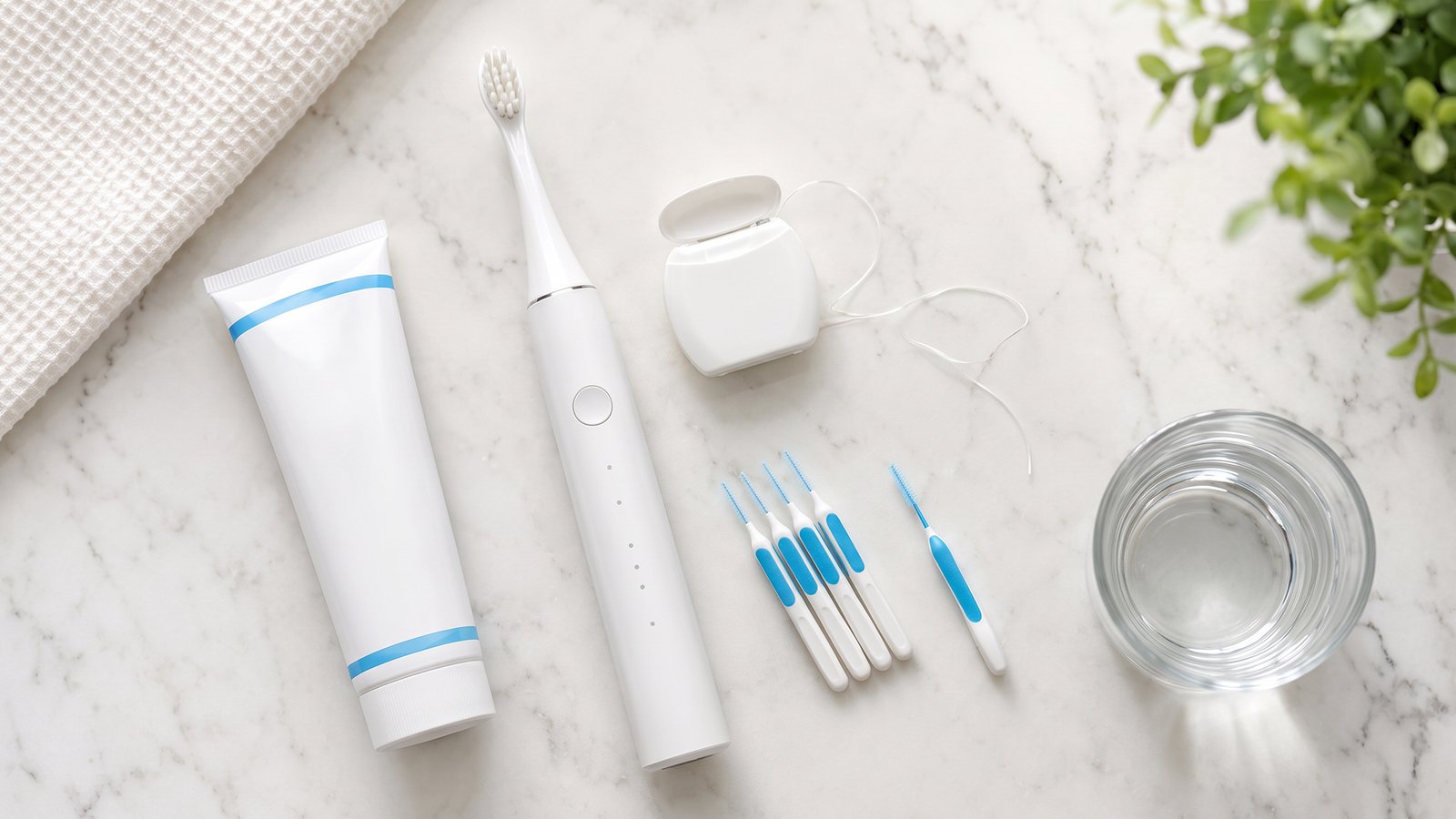
Electric toothbrushes, water flossers, and interdental brushes can be used to remove plaque daily. They are useful for preventive care and for controlling new deposits. However, they cannot replace professional scaling when the plaque has hardened.
If you detect a hard deposit, it’s better to arrange a cleaning than to attempt to remove it yourself. The dental professional can also determine whether the area in question is tartar, a stained filling, a chipped tooth, or another condition requiring a different type of treatment.
How do dentists remove hardened plaque?
The most common option is professional scaling. A dentist or hygienist uses specialized hand instruments, ultrasonic equipment, or both to break up and remove tartar from the tooth surfaces.
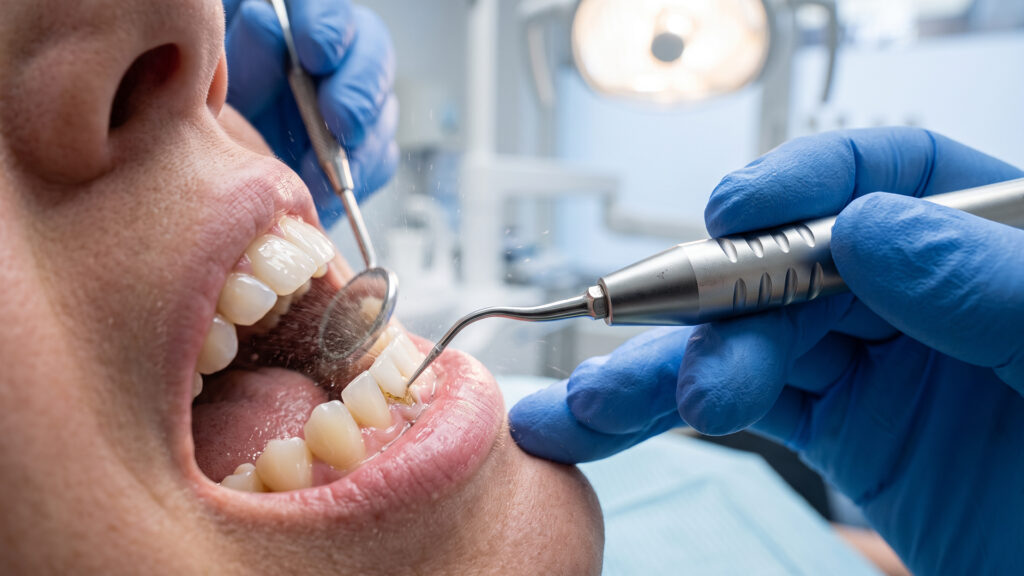
In some cases, a regular cleaning will suffice if the buildup is mostly above the gumline. The teeth can then be polished in order to remove some surface stains and make the enamel feel smoother. Polishing is not equivalent to whitening, and it doesn’t eliminate all kinds of discoloration, but it can improve the feel of the tooth’s surface.
If plaque has built up below the gumline or if you have gum disease, a more thorough cleaning may be necessary. During scaling and root planing, deposits are removed from deeper areas, and the root surfaces are smoothed, giving the gums a better opportunity to heal. The dentist can split the treatment over several visits and will talk to you about ways to keep you comfortable.
The kind of treatment you need will depend on how much buildup there is and where it is, the state of your gums, your medical history, and whether there has been bone loss or infection. The Cleveland Clinic notes that some people respond well to preventive cleanings twice a year, while others require a cleaning schedule tailored to their individual risk level.
What takes place during a dental cleaning?
When you go for your appointment, the dentist or hygienist will examine your teeth and gums. They might measure the spaces around your teeth, look for any bleeding or gum recession, and take X-rays if there is a reason to check for cavities or bone loss.
When you are having scaling done, you might experience pressure, vibration, water, or slight sensitivity. The professional will clean the teeth and the area along the gums to eliminate the deposits. However, if your gums are highly inflamed or the cleaning is extensive, you should ask about available comfort options before the treatment begins.
Your teeth might then feel smoother, and your gums could be a bit tender for a short period. Be sure to follow the aftercare instructions that you are given. Let the dental staff know if you have severe pain, swelling, or bleeding that doesn’t go away.
What do you need to do to prevent plaque from hardening again?
Prevention starts with making it difficult for soft plaque to remain on the teeth long enough to mineralize.
Brush your teeth twice a day with fluoride toothpaste and a soft-bristled toothbrush, directing the bristles towards the gumline, avoiding excessive pressure, and spending enough time to clean the outer, inner, and chewing surfaces of each tooth.
You should clean your teeth once a day. Whether you use floss, interdental brushes, or another tool depends on the gaps between your teeth and any dental work you have. If flossing proves uncomfortable or difficult for you, ask a hygienist to demonstrate a technique and tool that suit your mouth.
It is important to limit your intake of sugary snacks and drinks. If you smoke, you might want to ask a healthcare professional about getting help to quit. Make sure to drink water regularly, especially when you have a dry mouth, and speak to your dentist or doctor about any ongoing dryness.
Mouthwash may be of some use to certain people, but it should serve as a supplement to, not a replacement for, brushing and flossing. A dentist can suggest a product based on your requirements.
It is important to have regular checkups even if your teeth appear clean, since a professional can detect deposits below the gumline and spot early signs of gum disease before they become more difficult to treat.
| Habit | What it helps with |
| Brushing twice daily | Removes soft plaque from tooth surfaces and the gumline. |
| Cleaning between teeth daily | Reaches areas a toothbrush cannot clean well. |
| Professional cleanings | Removes hardened plaque that home care cannot remove. |
| Drinking water | Helps manage dry mouth and rinse away loose debris. |
| Tobacco cessation | Reduces a major risk factor for gum problems and tartar buildup. |
When should you see a dentist?
If you notice hard deposits, bleeding gums, persistent halitosis, gum tenderness, loose teeth, gum recession, or increased sensitivity, you should book an appointment. Additionally, you must seek treatment if your gums are severely swollen or if a tooth hurts when you bite down.
If you are experiencing facial swelling, fever, difficulty swallowing or breathing, or intense tooth pain, you should seek immediate dental advice, as these symptoms could indicate an infection that requires urgent attention.
Conclusion
Hardened plaque is common, but once it has turned into tartar, it can’t be removed by brushing. Attempting to wipe it off at home may do more harm than good.
The simplest course of action is to have a dental professional assess and remove the buildup, then work on daily routines that prevent plaque from forming. By brushing regularly, cleaning between your teeth, making sensible choices about your food and drinks, and receiving tailored dental care, you can protect your gums and keep your teeth feeling smoother for longer.