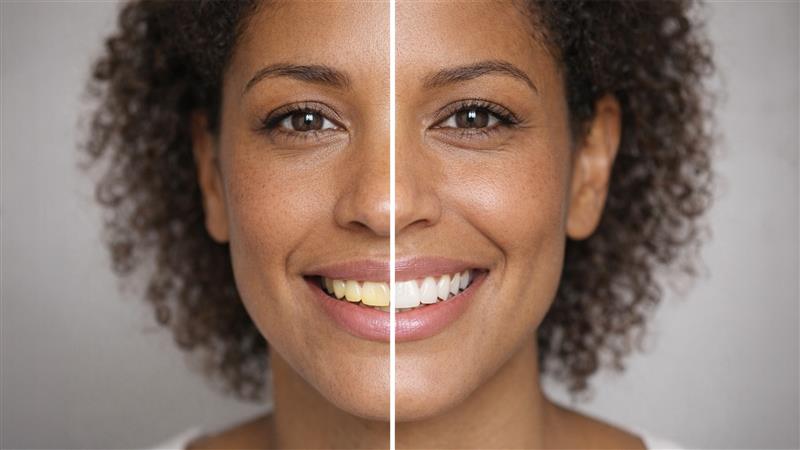
Nothing boosts confidence quite like a dazzling white smile. If you feel your teeth could be a few shades brighter, you’re not alone. Millions of people search “how to whiten your teeth” every single month. The good news? Achieving that red-carpet grin is easier than ever, whether you choose DIY hacks or professional help. In this comprehensive guide, we’ll break down every method, myth, and money factor so you can pick the approach that fits your lifestyle, budget, and sensitivity level.
Understanding Tooth Discoloration
Before you whip out the teeth whitening strips, it helps to know why your teeth look dull in the first place. Not all stains are created equal, and knowing the type you have will help you choose the method.
Extrinsic vs. Intrinsic Stains
- Extrinsic stains live on the enamel’s surface. Coffee, tea, red wine, and tobacco are the top culprits. Because they sit on top, they’re generally easier to remove.
- Intrinsic stains lurk inside the tooth’s structure. Trauma, aging, certain medications (think tetracycline), and over-fluoridation can cause them. These stains require stronger or longer-term treatments.
The Most Common Culprits
- Dark beverages: Especially ones that double as your morning wake-up call (coffee) or evening wind-down (red wine).
- Highly pigmented foods: Think blueberries and soy sauce.
- Smoking and vaping: Nicotine plus tar equals yellowing.
- Poor oral hygiene: Plaque buildup can turn into a yellow or brown film.
- Simply getting older: Enamel thins with age, revealing the yellower dentin underneath.
Quick Lifestyle Tweaks for Whiter Teeth
Sometimes a small habit shift offers surprisingly big results.
Food and Drink Swaps That Matter
• Trade that afternoon cola for sparkling water with lemon.
• Sip staining drinks through a straw to limit enamel contact.
• Load up on crunchy fruits and veggies; apples and carrots act like natural scrubbers.
• Rinse with water immediately after consuming dark foods to keep pigments from settling in.
Smarter Oral-Hygiene Habits
• Brush twice a day with an electric toothbrush; it removes up to 20% more plaque.
• Don’t skip flossing; those tiny stains between teeth add up.
• Finish with an alcohol-free, teeth-whitening mouthwash to zap residual pigments.
• Schedule professional cleanings every six months like clockwork.
These tweaks won’t turn teeth paper-white overnight, but they do lay the groundwork so that any teeth-whitening method you choose works faster and lasts longer.
At-Home Teeth Whitening Methods
Ready to DIY your brightness? Here’s the home arsenal, from supermarket picks to viral TikTok hacks, sorted by science, not hype.
Teeth Whitening Toothpastes: Do They Work?
Teeth whitening toothpastes contain mild abrasives and low-dose peroxides. They’re great for maintaining a shade you’ve already achieved, but rarely shift teeth more than one shade on their own. Look for the ADA Seal of Acceptance to avoid sketchy, over-abrasive formulas that can scratch enamel.
Teeth Whitening Strips & Gels: A Week-by-Week Breakdown
Thin plastic strips coated with peroxide gel adhere to your teeth for 15–30 minutes daily. Most kits promise up to six shades lighter in two to three weeks. Here’s a quick timeline:
- Days 1–3: Surface stains fade; teeth look cleaner.
- Days 4–7: Noticeable brightening; slight sensitivity may kick in.
- Days 8–14: Peak teeth whitening; results plateau afterward.
Pro tip: Stick to the schedule. Skipping days resets the clock on your progress.
LED Teeth Whitening Kits: The Science Behind the Glow
Home LED kits pair a peroxide gel with a blue light mouthpiece. The light speeds up the peroxide’s chemical reaction, think of it as turning the whitening dial from “low” to “high.” Clinical studies show LED kits can cut whitening time by up to 50%, but only if the peroxide concentration is high enough (9–12%). Anything lower is mostly marketing sparkle.
Natural Remedies That Actually Help
Not every kitchen counter cure is a miracle, but three time-tested options do deliver mild teeth whitening when used correctly.
Baking Soda & Hydrogen Peroxide Paste
Mix one teaspoon of baking soda with a few drops of 3% hydrogen peroxide to form a paste. Brush gently for two minutes, twice a week. The combo neutralizes acids and lifts stains, but overuse can erode enamel; moderation is key.
Oil Pulling with Coconut Oil
Swish one tablespoon of organic coconut oil for 10–15 minutes before brushing. It won’t bleach teeth, but its lauric acid breaks down surface plaque, making teeth appear cleaner and brighter.
Activated Charcoal Powder
Dip a damp toothbrush into food-grade activated charcoal and brush lightly for two minutes. Charcoal’s porous structure binds to tannins (stain molecules). Use once or twice weekly; grinding the powder too aggressively can damage enamel.
Professional Teeth Whitening Options
When you crave speedy, dramatic results or have stubborn intrinsic stains, your dentist becomes your best friend.
In-Office Power Bleaching
Dentists use 25–40% hydrogen peroxide gels activated by special lasers or lights. One 60-minute session can lift your teeth eight shades. Expect a mild “zinger” of sensitivity for 24–48 hours, but results are instant.
Custom Take-Home Trays from Your Dentist
If you prefer gradual change, your dentist can make flexible trays molded to your bite. You’ll fill them with a lower-dose carbamide peroxide gel (10–20%) and wear them for 30 minutes to overnight, depending on the strength. Most people reach their goal shade in 10–14 days.
When Veneers Become the Better Choice
Severe intrinsic stains, enamel defects, or chipped teeth sometimes make teeth whitening alone ineffective. Porcelain veneers completely mask discoloration, though they’re pricier ($800–$2,500 per tooth) and require removing a sliver of enamel. View them as a long-term investment rather than a teeth whitening “quick fix.”
Safety and Potential Side Effects
Bleaching agents are generally safe, but you should know the downside before you dive in.
Tooth Sensitivity: Temporary or Forever?
Peroxide temporarily opens microchannels in the enamel, exposing the dentin layer where nerves reside. Result? A zing of sensitivity to hot and cold. Most people find it fades within 72 hours. Using a potassium-nitrate toothpaste (like Sensodyne) both before and after treatment helps calm those nerves.
Gum Irritation & How to Prevent It
Gel that oozes onto the gums can cause a white, sloughy film that is uncomfortable but reversible. Fixes:
- Don’t overload trays or strips.
- Apply petroleum jelly to the gumline as a barrier.
- Rinse with lukewarm saltwater if irritation occurs.
Maintaining Your New Smile
Congrats, you’ve reached peak brightness! Now let’s lock it in.
The 48-Hour White-Food Diet
After teeth whitening, the pores in the enamel remain open, like freshly aerated soil. For the next two days, stick to “white” or “clear” foods: grilled chicken, rice, cauliflower, bananas, and water. Avoid anything that would stain a white T-shirt.
Building a Touch-Up Schedule
• Use teeth whitening toothpaste daily.
• Strips or tray gel for one or two days every three months.
• Professional touch-up once a year if you’re a coffee or wine lover.
Teeth Whitening Myths vs. Facts
- Myth: “Lemon juice whitens teeth.”
>Fact: The citric acid erodes enamel faster than it removes stains, hard pass. - Myth: “You can’t whiten crowns or fillings.”
Fact: True. They’re artificial materials that peroxide can’t bleach. Plan bleaching before restorative work, or be prepared to replace old restorations for a perfect color match. - Myth: “Charcoal is completely safe.”
Fact: Excessive abrasion from coarse powders can roughen enamel, making it more prone to staining. - Myth: “Once whitened, always white.”
Fact: Teeth naturally darken over time. Maintenance is mandatory.
Choosing the Right Whitening Method for You
Ask yourself:
• How fast do I need results? (Wedding next week? Go in-office.)
• What’s my sensitivity level? (History of zingers? Choose lower-dose gels.)
• Am I disciplined? (Forgetful types may skip strip sessions; custom trays are forgiving.)
• What’s my budget? (See the next section.)
What Will It Cost? A Quick Price Comparison
| Whitening Method | Average Cost (USD) | Shade Change | Time Frame |
|---|---|---|---|
| Whitening Toothpaste | $5–$15 | 1 | Ongoing |
| Drugstore Strips | $20–$60 | 2–6 | 1–3 weeks |
| LED Home Kit | $70–$200 | 3–8 | 1–2 weeks |
| Custom Trays | $200–$400 | 4–8 | 1–3 weeks |
| In-Office Laser | $300–$1,000 | 6–8+ | 1 day |
| Porcelain Veneers (per tooth) | $800–$2,500 | Complete mask | 2 visits |
Environmental & Ethical Considerations
• Packaging: Opt for recyclable or minimal packaging when possible; those single-use plastic strips add up.
• Cruelty-free formulas: Look for brands certified by Leaping Bunny or PETA.
• Ingredient sourcing: Coconut-oil pulling fans should choose fair-trade products to support sustainable farming communities.
Conclusion
Teeth whitening isn’t a one-size-fits-all journey; it’s more like choosing your own adventure. From simple lifestyle switches and DIY pastes to dentist-grade lasers and porcelain veneers, you have a spectrum of options to meet your shade goals, budget, and timeline. Remember to weigh the perks against possible sensitivity, practice mindful maintenance, and keep realistic expectations. A bright smile can light up a room, but a healthy smile powers it, so don’t let the quest for whiteness overshadow good oral care. Ready to flash those pearly whites? Go forth and shine!
FAQs
- How long will my teeth stay white after professional bleaching? Typically 6–12 months, depending on your diet and oral hygiene habits. Regular touch-ups extend longevity.
- Is Teeth whitening safe for teenagers? Most dentists recommend waiting until at least age 16, when enamel is fully developed. Always consult a dental professional first.
- Can sensitive-teeth toothpaste interfere with teeth whitening gel? No, using a desensitizing paste beforehand can actually make the process more comfortable without reducing effectiveness.
- Do blue-light Instagram kits really work? Only if they pair the light with a peroxide gel of adequate strength (9–12%) does the light alone do nothing.
- Will dental insurance cover Teeth whitening? Generally, no, because it’s considered a cosmetic procedure. However, some discount dental plans or flexible spending accounts (FSAs) can help offset costs.