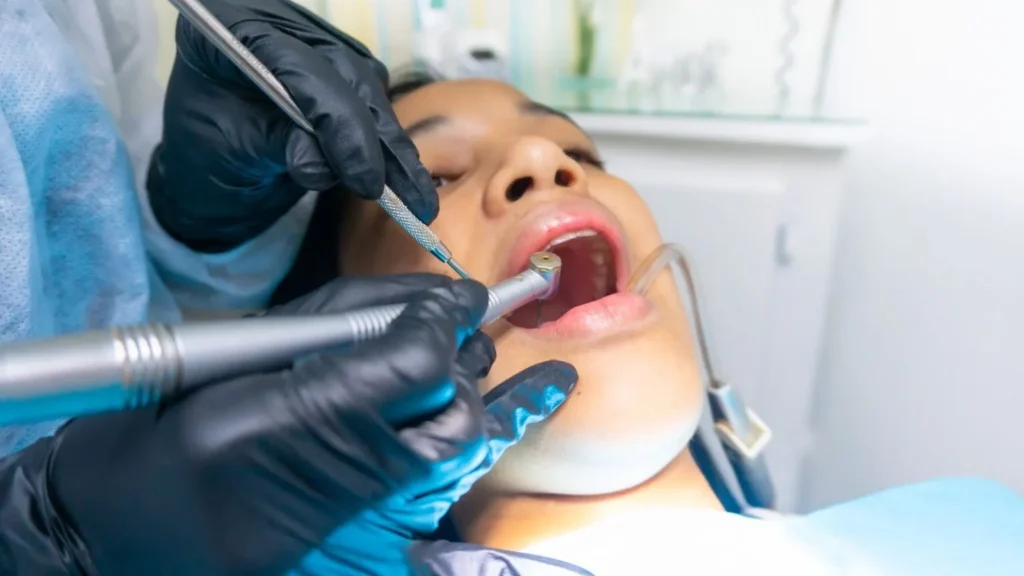
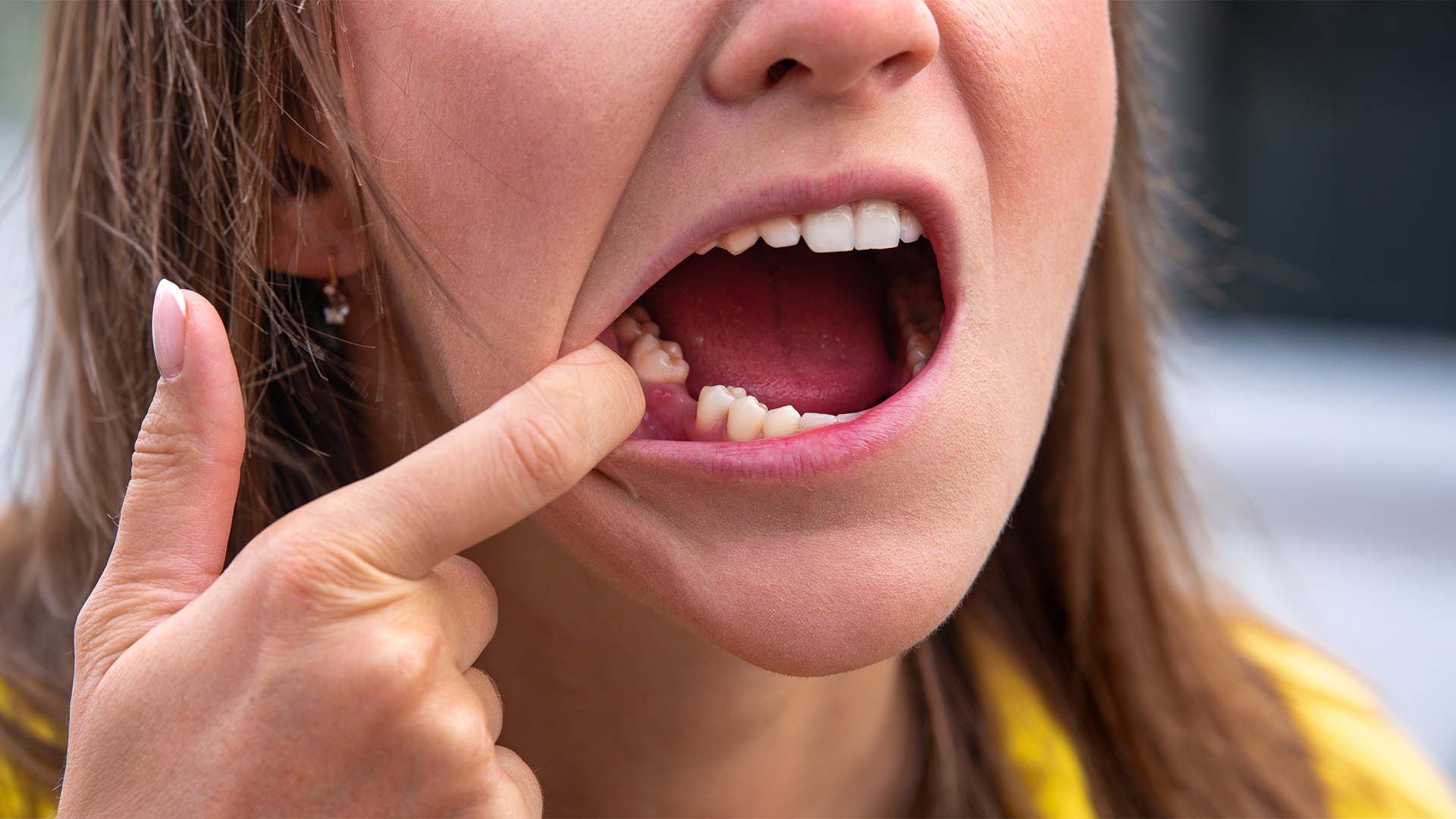
This guide targets adults who have lost one or more teeth and want to understand their replacement options. Patients considering tooth replacement will find practical information about costs, treatment timelines, and which solution might work best for their specific situation.
The following sections explore dental implants as the most durable long-term option, dental bridges for the quick restoration of single or multiple teeth, and removable dentures as an affordable complete-smile solution. Each option has distinct advantages, and understanding these differences helps patients make informed decisions about their oral health.
Understanding the Impact of Missing Teeth on Your Life
How missing teeth affect confidence and social interactions
Missing teeth create significant psychological barriers that extend far beyond physical appearance. People with gaps in their smile often cover their mouth when speaking or laughing, limiting natural expression and genuine interaction. This self-consciousness frequently leads to social withdrawal, with many avoiding photographs, public speaking situations, or close conversations where gaps might be visible.
Professional environments can become particularly challenging. Studies show that individuals with complete smiles are perceived as more competent, trustworthy, and successful during job interviews and workplace interactions. The constant awareness of missing teeth creates mental fatigue as individuals continuously monitor their speech patterns and facial expressions to hide their condition.
Dating and intimate relationships also suffer when tooth loss affects self-perception. The fear of judgment or rejection based on dental appearance can prevent meaningful connections from forming, creating isolation that compounds the emotional impact of tooth loss.
Chewing difficulties and nutritional deficiencies from tooth loss
Tooth loss dramatically reduces chewing efficiency, forcing dietary modifications that often compromise nutritional intake. Each missing tooth decreases bite force, making it difficult to process fibrous vegetables, lean proteins, and whole grains that require thorough mastication.
Common dietary adaptations include:
-
Avoiding fresh fruits and vegetables
-
Choosing processed, softer foods high in calories but low in nutrients
-
Overcooking foods to make them easier to chew
-
Eliminating nuts, seeds, and other nutrient-dense foods
These changes frequently result in vitamin deficiencies, particularly of B vitamins, vitamin C, and essential minerals such as calcium and iron. Digestive problems often follow when food is inadequately chewed, placing additional strain on the digestive system. Weight loss or gain becomes common as meal planning revolves around texture rather than nutritional value.
Bone loss and facial structure changes over time.
Tooth roots provide essential stimulation to the jawbone through daily chewing activities. When teeth are lost, this stimulation disappears, triggering a process called resorption, where bone tissue begins to dissolve and shrink. The jawbone can lose up to 25% of its width within the first year following tooth extraction.
This bone loss creates a cascade of facial changes:
-
Collapsed facial height leading to premature aging
-
Sunken cheeks and lips losing support
-
Formation of deep wrinkles around the mouth
-
Changes in jaw alignment affecting bite patterns
-
Shifting of remaining teeth into gaps
The process accelerates over time, making future tooth replacement options more complex and expensive. Facial muscles lose their underlying support structure, creating an aged appearance that can add years to someone’s perceived age.
Speech problems caused by gaps in your smile
Clear speech depends on precise tongue placement against teeth to create specific sounds. Missing teeth disrupt these contact points, causing pronunciation difficulties that affect the quality of communication. Front teeth are particularly important for producing “s,” “th,” “f,” and “v” sounds, while back teeth help with proper tongue positioning for various consonants.
Common speech challenges include:
-
Whistling sounds during normal conversation
-
Difficulty with sibilant sounds creates lisping
-
Mumbled or unclear pronunciation
-
Changes in voice resonance and clarity
-
Compensatory tongue movements that cause fatigue
These speech changes often require conscious effort to overcome, creating additional stress during conversations. Professional presentations, phone calls, and social interactions become sources of anxiety as individuals worry about being understood or misunderstood due to unclear articulation.
Dental Implants: The Gold Standard for Permanent Tooth Replacement
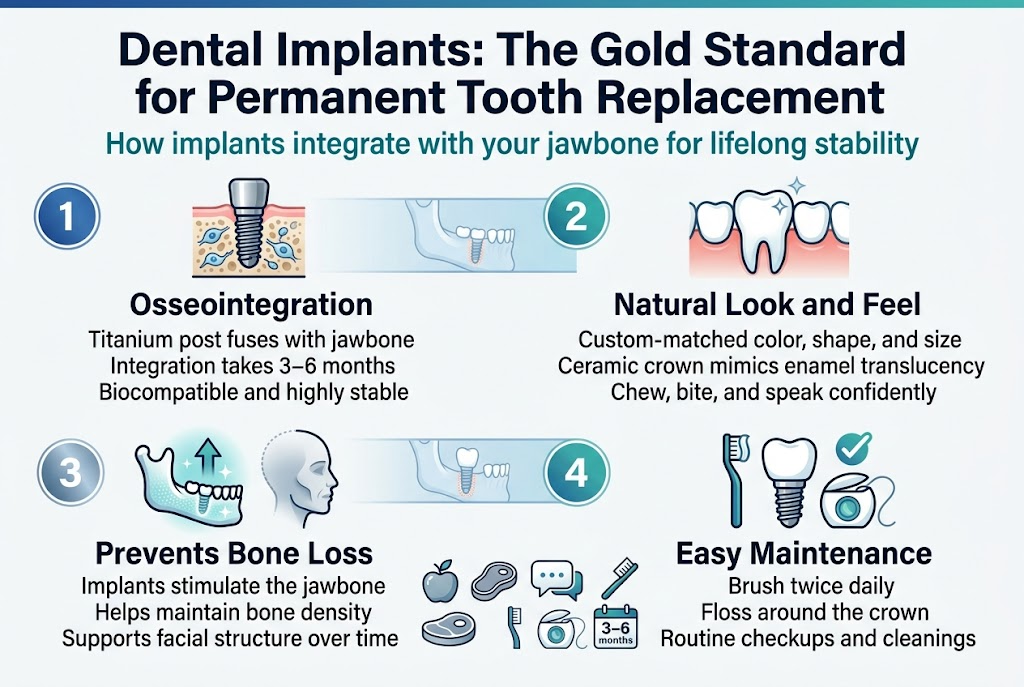
Dental implants work through a remarkable biological process called osseointegration, in which the titanium implant fuses with the surrounding jawbone. This creates an incredibly strong foundation that can withstand the forces of chewing and speaking for decades. Titanium is biocompatible, meaning the body accepts it as natural tissue rather than rejecting it as a foreign object.
The integration process typically takes 3-6 months, during which bone cells grow around and into the implant surface. This biological bond becomes stronger than the original tooth root, providing unmatched stability compared to other tooth replacement options. Unlike bridges or dentures that sit on top of existing structures, implants become part of the jawbone itself.
Natural look and feel that matches existing teeth
The crown portion of a dental implant is custom-crafted to match the exact color, shape, and size of surrounding teeth. Advanced ceramic materials replicate the translucency and light-reflecting properties of natural tooth enamel, making implants virtually indistinguishable from original teeth.
Beyond appearance, implants restore full chewing function without the discomfort or movement associated with removable prosthetics. Patients can bite into apples, chew steak, and speak confidently without worrying about shifting or slipping. The implant crown sits at gum level just like a natural tooth, eliminating the bulky feeling common with other replacement options.
Prevention of bone loss and facial aging
When a tooth is lost, the underlying jawbone begins to deteriorate due to a lack of stimulation from chewing forces. This bone resorption can lead to a sunken facial appearance and premature aging around the mouth and cheeks. Dental implants are the only tooth replacement option that prevents this bone loss by providing the necessary stimulation to maintain jawbone density.
The implant post transmits chewing forces directly to the jawbone, mimicking the function of a natural tooth root. This continuous stimulation signals the body to maintain bone tissue, preserving facial structure and preventing the collapsed appearance that often develops with missing teeth over time.
Easy maintenance with regular brushing and flossing
Caring for dental implants requires the same simple oral hygiene routine used for natural teeth. Regular brushing twice daily and flossing around the implant crown help remove plaque and prevent gum disease. No special cleaning solutions, adhesives, or soaking procedures are necessary.
The crown portion can be brushed and flossed normally, while the implant post remains permanently in place. Routine dental checkups and professional cleanings help maintain the health of the surrounding gum tissue and ensure the long-term success of the implant. This straightforward maintenance routine makes implants the most convenient long-term tooth replacement solution available.
Dental Bridges: Quick Solution for Single or Multiple Missing Teeth
Fixed Bridge Options That Restore Your Complete Smile
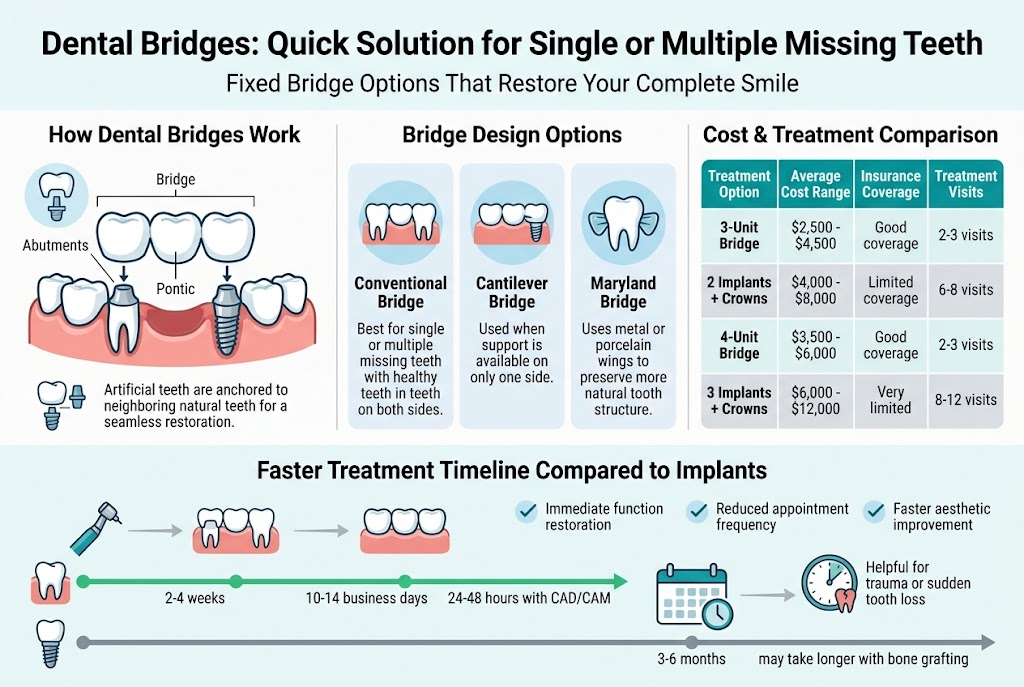
Dental bridges work by anchoring artificial teeth to neighboring natural teeth, creating a seamless restoration that looks and functions like natural dentition. The traditional fixed bridge involves preparing the teeth adjacent to the gap by removing a portion of the enamel to accommodate crowns. These supporting teeth, called abutments, hold the bridge securely in place while the pontic (artificial tooth) fills the space.
Several bridge designs accommodate different scenarios. Conventional bridges span gaps by connecting to the teeth on both sides, making them ideal for replacing one or more missing teeth when healthy adjacent teeth are present. Cantilever bridges attach to teeth on only one side when support is limited, though they work best for areas with less chewing pressure. Maryland bridges use metal or porcelain wings bonded to the back of adjacent teeth, preserving more natural tooth structure but offering less strength than traditional options.
The restoration process involves taking precise impressions to ensure a perfect fit and natural appearance. Modern materials like porcelain-fused-to-metal or all-ceramic options provide excellent aesthetics that blend seamlessly with existing teeth. Proper bridge design considers bite alignment, gum health, and facial support to effectively restore both function and appearance.
Cost-Effective Alternative to Implants for Multiple Teeth
Bridges often present significant financial advantages over implant solutions, particularly when replacing multiple consecutive teeth. A three-unit bridge typically costs less than placing two implants with individual crowns, making it an attractive option for patients seeking quality restoration within budget constraints.
The cost comparison becomes even more favorable when addressing larger gaps. Replacing three or four missing teeth with a bridge requires fewer components and procedures than individual implants for each missing tooth. Insurance coverage is often more readily available for bridge treatments, as many plans classify them as basic restorative care rather than elective procedures.
| Treatment Option | Average Cost Range | Insurance Coverage | Treatment Visits |
|---|---|---|---|
| 3-Unit Bridge | $2,500 – $4,500 | Good coverage | 2-3 visits |
| 2 Implants + Crowns | $4,000 – $8,000 | Limited coverage | 6-8 visits |
| 4-Unit Bridge | $3,500 – $6,000 | Good coverage | 2-3 visits |
| 3 Implants + Crowns | $6,000 – $12,000 | Very limited | 8-12 visits |
Additional savings arise from reduced surgical fees, fewer bone grafting requirements, and longer treatment timelines. Bridges also eliminate the need for supplementary procedures such as sinus lifts or tissue grafts that sometimes accompany implant placement.
Faster Treatment Timeline Compared to Implant Procedures
Bridge placement typically completes within two to four weeks, offering rapid restoration of missing teeth. The streamlined process begins with tooth preparation at the first appointment, followed by placement of a temporary bridge while the permanent restoration is crafted. Most patients receive their final bridge within 10-14 business days.
This accelerated timeline contrasts sharply with implant procedures, which often require three to six months for osseointegration (bone healing) before final crown placement. Patients requiring bone grafting or other preparatory work may wait additional months before beginning implant placement.
The quick turnaround benefits patients in several ways:
-
Immediate function restoration – Temporary bridges allow normal eating and speaking throughout treatment
-
Reduced appointment frequency – Fewer visits mean less time away from work or daily activities
-
Faster aesthetic improvement – Gap closure happens within days rather than months
-
Earlier bite stability – Proper tooth alignment restores quickly, preventing adjacent teeth from shifting
Emergencies, particularly those involving trauma or sudden tooth loss, often favor bridges for rapid replacement. The ability to quickly restore missing teeth helps maintain facial support, prevent bone loss, and preserve the positions of remaining teeth as patients adapt to their new restorations.
Modern dental technology, including digital impressions and same-day milling, can further accelerate bridge delivery. Some practices now offer completed bridges within 24-48 hours using CAD/CAM technology, providing nearly immediate tooth replacement when needed.
Removable Dentures: Affordable Complete Smile Restoration
Full dentures for complete upper or lower tooth replacement
Complete dentures represent a proven solution when all natural teeth in the upper or lower arch require replacement. These prosthetic devices rest directly on the gums and underlying bone, creating suction and stability through a precise fit. Traditional full dentures consist of a flesh-colored acrylic base that supports a full set of artificial teeth, designed to restore both function and appearance.
The fitting process typically requires multiple appointments over several weeks. Initial impressions capture the exact contours of the mouth, while subsequent visits involve trial fittings and adjustments to achieve optimal comfort and function. Modern dental laboratories use advanced materials and techniques to create dentures that closely mimic the appearance of natural teeth and gums.
Upper dentures generally provide better retention than lower dentures due to the larger surface area available for suction against the palate. Lower dentures can be more challenging to stabilize, particularly during eating and speaking, as the tongue and facial muscles constantly move against the prosthetic.
Partial dentures that blend seamlessly with the remaining teeth
Partial dentures offer an excellent solution when some healthy natural teeth remain in the mouth. These removable appliances fill the gaps left by missing teeth while preserving existing healthy tooth structure. Unlike bridges that require modification of adjacent teeth, partial dentures clasp onto existing teeth without permanent alteration.
The design typically incorporates metal clasps or precision attachments that hook onto remaining teeth for stability. Modern partial dentures feature tooth-colored clasps or aesthetic attachments that minimize visible metal components. The base material matches the color of gum tissue, while replacement teeth are selected to complement the shade and shape of existing natural teeth.
Flexible partial dentures made from thermoplastic materials provide increased comfort and improved aesthetics. These alternatives eliminate metal clasps, using the material’s flexibility to grip around existing teeth. The result creates a more natural appearance while maintaining adequate retention for daily function.
Modern improvements in comfort and natural appearance
Contemporary denture technology has revolutionized patient comfort and aesthetic outcomes. Advanced materials now replicate the translucency and color variations found in natural tooth enamel. Multi-layered construction techniques create depth and vitality that older denture technologies could not achieve.
Computer-aided design and manufacturing (CAD/CAM) systems enable precise fabrication with consistent quality. Digital impressions eliminate the discomfort associated with traditional impression materials while improving accuracy. These technological advances result in better-fitting dentures that require fewer adjustments.
Soft lining materials cushion the contact between dentures and gum tissues, reducing pressure points and irritation. These materials can be incorporated during initial fabrication or added later as tissues change over time. Temperature-sensitive cushioning materials adapt to mouth warmth, providing customized comfort throughout the day.
Easy cleaning and maintenance routines
Proper denture care requires simple but consistent daily routines that preserve both the appliance and oral health. Dentures should be removed and rinsed after meals to eliminate food particles and prevent bacterial accumulation. Daily brushing with denture-specific cleaners maintains surface cleanliness without damaging the materials.
Overnight soaking in denture cleansing solutions removes stains and bacteria while keeping the appliance moist. This prevents warping that can occur when dentures dry out completely. Specialized brushes designed for denture cleaning effectively clean all surfaces without causing scratches that harbor bacteria.
Regular dental check-ups remain essential even with complete dentures. Professional adjustments address changes in mouth tissues over time, while oral cancer screenings protect overall health. Denture relines, or adjustments, may be necessary as supporting tissues naturally change shape following tooth loss.
Factors to Consider When Choosing Your Tooth Replacement Option
Budget Considerations and Insurance Coverage Options
The financial aspect of tooth replacement varies dramatically across different treatment options. Dental implants represent the highest upfront investment, typically ranging from $3,000 to $6,000 per tooth, including the implant, abutment, and crown. However, this cost often translates to better long-term value due to their durability and minimal maintenance requirements.
Dental bridges fall into the mid-range category, costing between $2,000 to $5,000 for a three-unit bridge. While initially less expensive than implants, bridges may require replacement every 10-15 years, potentially increasing lifetime costs.
Removable dentures offer the most budget-friendly solution, with partial dentures ranging from $700 to $1,800 and complete dentures from $1,300 to $3,000. Additional costs for adjustments, relines, and eventual replacements should factor into long-term budgeting.
Insurance coverage varies significantly by provider and plan type. Most dental insurance plans cover a portion of bridge and denture costs, typically 50-80% after deductibles. Implant coverage remains limited, with many plans excluding them entirely or classifying them as cosmetic procedures. Some newer plans offer partial implant coverage, particularly when medically necessary.
Financing options include dental payment plans, healthcare credit cards, and flexible spending accounts. Many practices offer in-house financing or partner with third-party lenders to make treatments more accessible.
Overall Oral Health and Bone Density Requirements
The condition of existing teeth, gums, and jawbone directly influences the suitability of treatment. Dental implants require adequate bone density and healthy gums to ensure successful integration. Patients with significant bone loss may need bone grafting procedures before implant placement, adding time and cost to treatment.
Gum disease must be addressed before any tooth replacement procedure. Active periodontal disease can compromise healing and long-term success rates across all treatment options. Comprehensive periodontal therapy may be necessary as a prerequisite.
Bridges depend on the strength and health of adjacent teeth, which serve as anchors. These supporting teeth must be structurally sound and free from decay or extensive restorations. The process involves removing enamel from neighboring teeth, making this irreversible.
Medical conditions affect treatment choices significantly. Diabetes, osteoporosis, cancer treatments, and certain medications can impact healing and success rates. Smoking substantially increases complication risks for all procedures, particularly implants.
Age considerations play a role in treatment selection. Adolescents may need to wait until jaw development is complete before receiving implants. Older patients might prioritize comfort and expedited treatment over long-term durability.
Timeline Preferences for Treatment Completion
Treatment timelines vary considerably based on complexity and healing requirements. Dental implants typically require the longest commitment, with standard cases taking 3-6 months. The process includes initial implant placement, an osseointegration period, and final crown attachment. Complex cases involving bone grafts or multiple implants can extend to 12 months or longer.
Bridges offer a middle-ground timeline, usually completed within 2-4 weeks. The process involves initial preparation appointments, placement of a temporary crown, and final bridge cementation. Multiple appointments spread across several weeks allow for precise fitting and adjustments.
Dentures provide the quickest solution for complete tooth replacement. Immediate dentures can be placed the same day as extractions, though multiple follow-up appointments for adjustments are necessary. Conventional dentures typically require 4-6 weeks from initial impressions to final delivery.
Emergencies may dictate timeline preferences. Patients needing immediate tooth replacement for professional or social reasons might prioritize speed over other factors. Others may prefer investing additional time for superior long-term outcomes.
Healing considerations impact all timelines. Individual healing rates vary based on age, health status, and adherence to post-treatment care instructions. Some patients recover faster, while others require extended healing periods.
Long-term Durability and Maintenance Expectations
Dental implants offer superior longevity, with success rates exceeding 95% over 10-15 years when properly maintained. Implants resist decay and provide a stable chewing function similar to natural teeth. Daily brushing and flossing, combined with regular professional cleanings, maintain implant health. Potential complications include peri-implantitis, requiring professional intervention.
Bridges typically last 10-15 years with proper care, but may require earlier replacement due to wear or complications with the supporting teeth. The pontic (false tooth) and crowns can develop decay at margins if oral hygiene is inadequate. Floss threaders or water flossers help clean beneath bridge components effectively.
Dentures require the most ongoing maintenance and frequent adjustments. Complete dentures typically need replacement every 5-8 years due to changes in jaw structure and wear. Daily cleaning with denture-specific products prevents staining and bacterial buildup. Regular dental visits ensure proper fit and identify potential problems early.
Lifestyle factors influence durability across all options. Teeth grinding, nail biting, or chewing hard objects can damage any restoration. Night guards protect against grinding forces. Avoiding sticky or extremely hard foods helps prevent mechanical failures.
Professional maintenance schedules vary by treatment type. Implants and bridges benefit from regular dental cleanings every six months. Denture wearers may need more frequent adjustments, particularly during the first year after placement.
Making the Right Decision for Your Unique Situation
Consultation Process with Your Dental Professional
The journey toward selecting the right tooth replacement begins with a comprehensive dental evaluation. During the initial consultation, the dental team will conduct a thorough examination of the mouth, jaw, and surrounding tissues. Digital X-rays and 3D imaging help assess bone density, gum health, and the positioning of remaining teeth. This diagnostic phase reveals critical information about oral health status and identifies any underlying issues that might affect treatment success.
The consultation includes a detailed discussion about lifestyle factors, budget considerations, and personal preferences. Dental professionals will explain each available option, including dental implants, bridges, and dentures, while highlighting the benefits and limitations of each approach. Patients receive information about treatment timelines, costs, and maintenance requirements to make an informed decision.
Many dental offices provide visual aids, models, and before-and-after photos to help patients understand what to expect from each treatment option. The consultation process ensures that all questions are answered and concerns are addressed before moving forward with any procedure.
Treatment Planning Based on Your Specific Needs
Customized treatment planning takes into account multiple factors that influence the success of tooth replacement procedures. Age, overall health, bone quality, gum condition, and the number of missing teeth all play crucial roles in determining the most suitable approach. For instance, patients with insufficient bone density may require bone grafting before dental implant placement, while those with multiple missing teeth might benefit more from partial dentures or bridge work.
The planning phase considers both immediate and long-term oral health goals. Some patients prioritize speed of treatment, making bridges or dentures more attractive options. Others focus on durability and natural function, leading to implant-based solutions despite longer treatment times.
Financial considerations also shape treatment plans. Dental professionals work with patients to explore payment options, insurance coverage, and financing plans that make quality tooth replacement accessible. The treatment timeline is carefully mapped out, showing each appointment and procedure required to achieve the desired outcome.
| Treatment Factor | Implants | Bridges | Dentures |
|---|---|---|---|
| Treatment Time | 3-6 months | 2-3 weeks | 4-6 weeks |
| Bone Requirement | High | Moderate | Low |
| Adjacent Teeth Impact | None | Requires alteration | None |
| Maintenance Level | Low | Moderate | High |
Recovery Expectations and Post-Treatment Care
Recovery timelines vary significantly depending on the chosen tooth replacement method. Dental implant patients typically experience a healing period of several months while osseointegration occurs, during which the implant fuses with the jawbone. Initial discomfort usually subsides within a week, but complete healing requires patience and careful adherence to post-operative instructions.
Bridge recipients generally have shorter recovery periods, with most patients adjusting to their new teeth within days. Some initial sensitivity to temperature and pressure is normal, but this typically resolves as the mouth adapts to the restoration. Proper oral hygiene is essential for maintaining the health of supporting teeth and preventing complications.
Denture wearers face a unique adjustment period as they learn to speak and eat with their new appliances. Initial soreness and difficulty with certain foods are common experiences that improve with time and practice. Regular follow-up appointments allow for necessary adjustments to ensure proper fit and comfort.
Post-treatment care instructions include specific guidelines for oral hygiene, dietary restrictions, and activity limitations during the healing phase. Patients receive detailed information about warning signs that require immediate attention, such as excessive bleeding, severe pain, or signs of infection. Regular maintenance appointments help monitor treatment progress and address any concerns before they become serious problems.
The dental team provides ongoing support throughout the recovery process, ensuring patients feel confident and comfortable with their new tooth replacement solution.
Conclusion
Missing teeth don’t have to define your smile or limit your quality of life. Each replacement option, dental implants, bridges, and dentures, offers unique benefits that can restore both function and confidence. Implants provide the closest thing to natural teeth with permanent results, bridges offer quick solutions for specific gaps, and dentures deliver affordable full-mouth restoration. Your budget, timeline, oral health, and personal preferences all play important roles in determining which path works best for you.
The most important step is to have an honest conversation with a dentist at Premiere Dental about your goals and concerns. They can evaluate your specific situation and help you weigh the pros and cons of each option. Don’t let missing teeth hold you back from eating the foods you love, speaking clearly, or smiling with confidence. With today’s advanced dental technology, there’s a solution that can restore the healthy, complete smile you deserve.