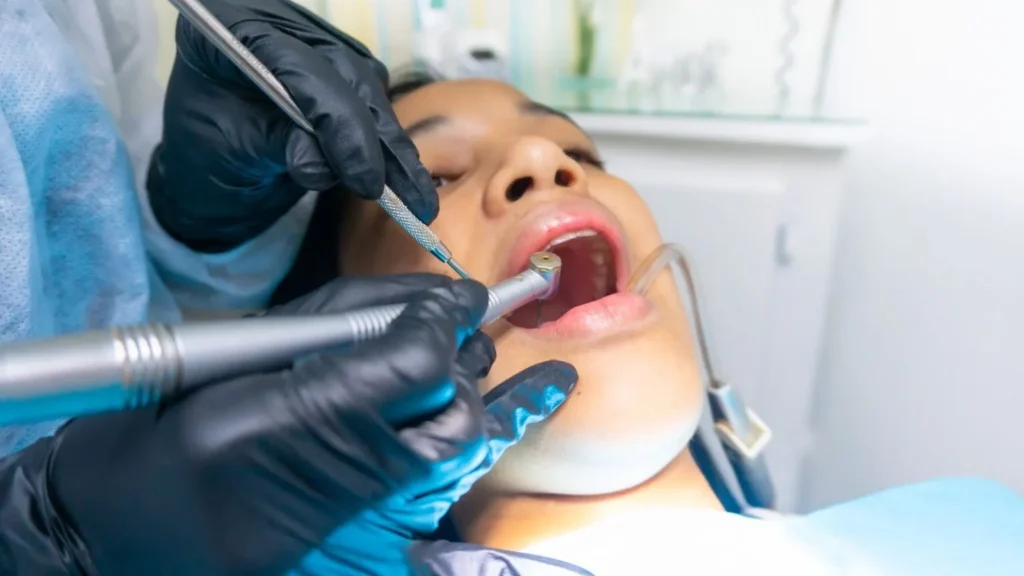
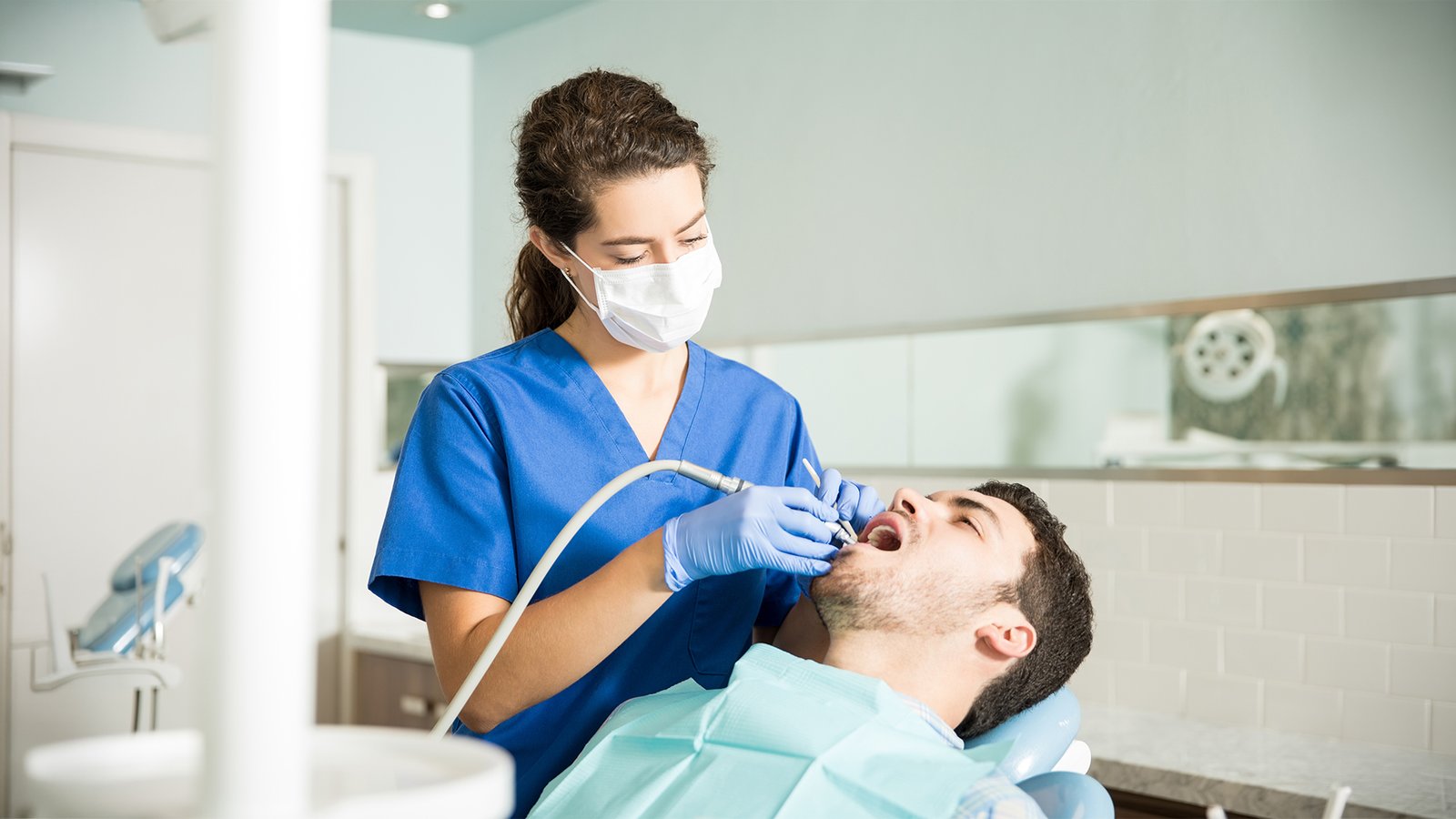
“Root canal.” Those two words have been sufficient to put perfectly reasonable adults into a cold sweat for years. However, recently, your colleague, friend, or relative may tell you that they have one and even say, “I did not feel anything.” What changed? Has dentistry all at once acquired magic powers? In this article, we’ll explore the real science pushing a new generation of virtually painless root canal treatments. We will consider today’s anesthesia, smarter equipment, anti-infection technology, and even the psychology behind comfort in the dental chair.
Redefining Pain: The Anesthetic of the Present Day
The fear of needles or numb lips may keep others from going to the dentist, yet local anesthesia has undergone its own makeover.
The Chemistry of Comfort
- Newer agents of anesthesia, articaine and mepivacaine, have been shown to diffuse through bone more effectively than older lidocaine formulas.
- Buffered anesthetics are formulated to match the body’s normal pH, making them less painful to inject and taking about half the time to work.
- Computer-controlled delivery systems, like The Wand, deliver an anesthetic at a constant, low pressure that patients tend to interpret as pressure rather than pain.
“Numbness isn’t the goal, comfort is,” notes Dr. Sonia Gupta, an endodontist in Chicago. “When patients don’t feel the shot going in, they finally believe us when we say the root canal itself won’t hurt.”
Supplemental Intraosseous and PDL Injections
Dentists can also avoid the normal nerve pathways; even when a tooth is hot (inflamed and difficult to numb), it is possible to bypass the nerve.
- Intraosseous injection: A tiny hole is drilled into the bone adjacent to the tooth; an anesthetic is injected directly into the nerve bundle.
- Periodontal ligament (PDL) injection: This is a thin needle that injects the ligament space and only anesthetizes the tooth itself- excellent when you must speak after it.
Such improvements come with complete numbness in one to two minutes, as compared to the conventional 10-15.
Rotary, Reciprocating, and Gentle Wave: Tissue-Saving tools.
Dentists in the 1990s used to hand-file canals with stainless-steel files for half of the appointment. It was not only slow but also produced friction and heat, which irritated the tissues.
Nickel-Titanium Rotary Files
- Able to bend around sharp curves along canals without transport (cutting the wrong path).
- They are super-elastic and require fewer files to be inserted, saving chair time.
- The rotating motion is smooth and removes the infected dentin, producing fewer cracks in the root.
Reciprocating Systems
These files do not rotate continuously, but move back and forth in a fixed arc:
- Less torsional stress = lower chance of instrument separation.
- Short pecking motions imply light contact, which translates to less postoperative pain.
Ultrasonic & Multi Sonic Irrigation (Gentle Wave)
Gentle Wave is a multi-sonic, fluid-based system that employs microscopic files flushed with tiny acoustic waves and broad-range frequencies to remove bacteria and debris from microscopic canal branches that most files fail to reach. Less dentin is removed, resulting in a stronger tooth.
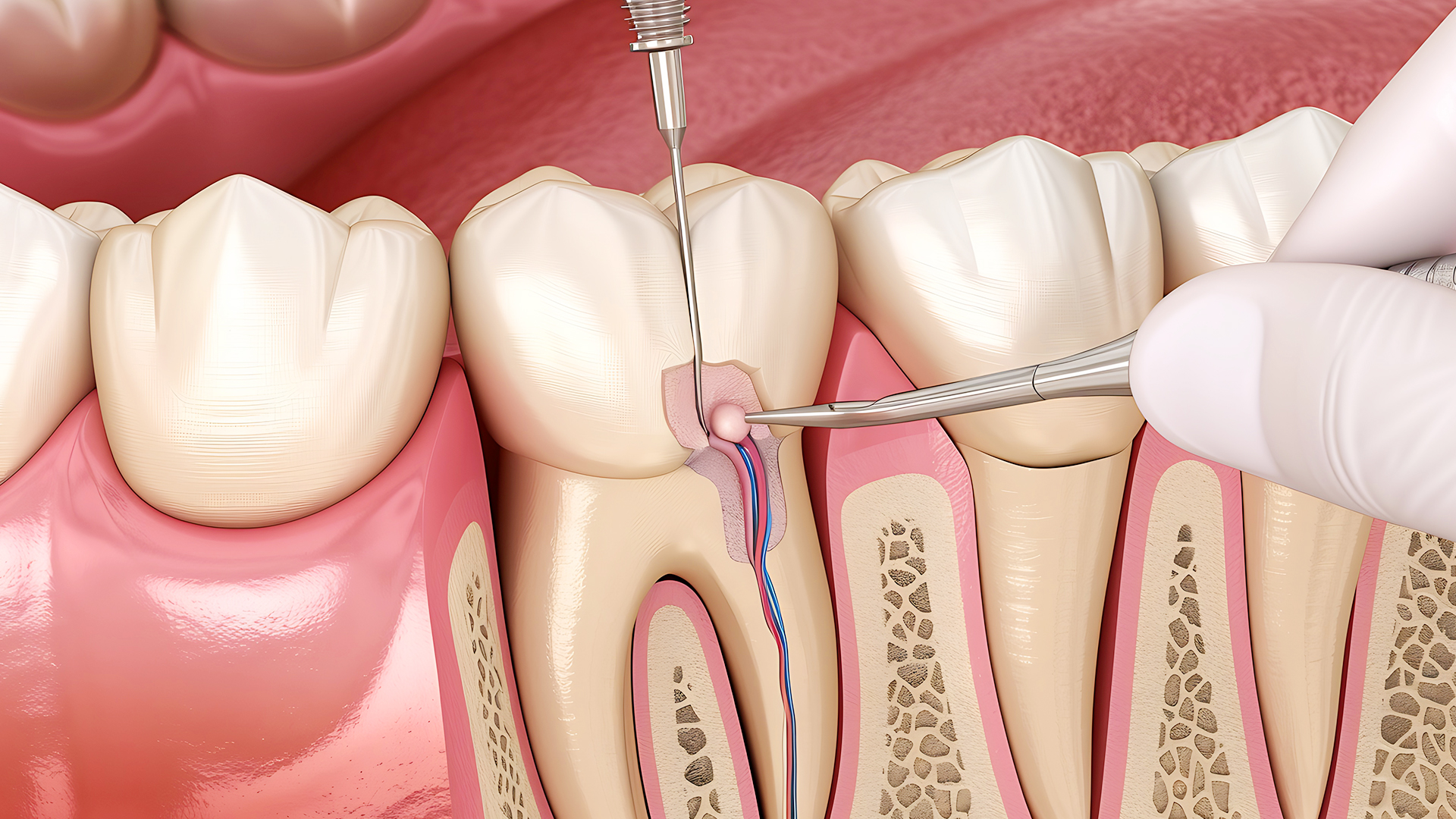
According to a peer-reviewed article published in the Journal of Endodontics in 2016, multi sonic irrigation can remove up to 97% of biofilm in lateral canals, where conventional methods can only remove 60 – 70%.
Lasers, Ozone, and Photodynamic Therapy: Beyond Bleach.
Conventional root canals use sodium hypochlorite, also known as bleach, to disinfect. Although successful, chemical irrigation may fail to remove viable bacteria in complex anatomy.
Laser-Assisted Endodontics
Er: YAG and Nd: YAG lasers release energy, which vaporizes any tissue residues and bacterial walls:
- Photon-induced photoacoustic streaming (PIPS): microbubbles form and burst against the canal walls due to a laser pulse applied to a tip inserted in the pulp chamber (not the canal), directing energy through the irrigant.
- It has benefits such as reduced instrumentation, reduced smear layer, and lower postoperative pain scores in clinical trials.
Ozone Gas and Photodynamic Therapy (PDT)
- Ozone (O 3) is an effective oxidizer that destroys bacteria, viruses, and fungi in a few seconds and decomposes to oxygen, leaving no remains.
- PDT combines a light of a particular wavelength with a photosensitizer dye to produce reactive oxygen species that are deadly to microorganisms.
Neither is a replacement for traditional irrigation, although perhaps more of a complement. Still, both techniques serve to understand why most patients mention that they feel less sore after the treatment- there is less leftover infection.
3D Imaging, AI Planning: See It, Then Treat It.
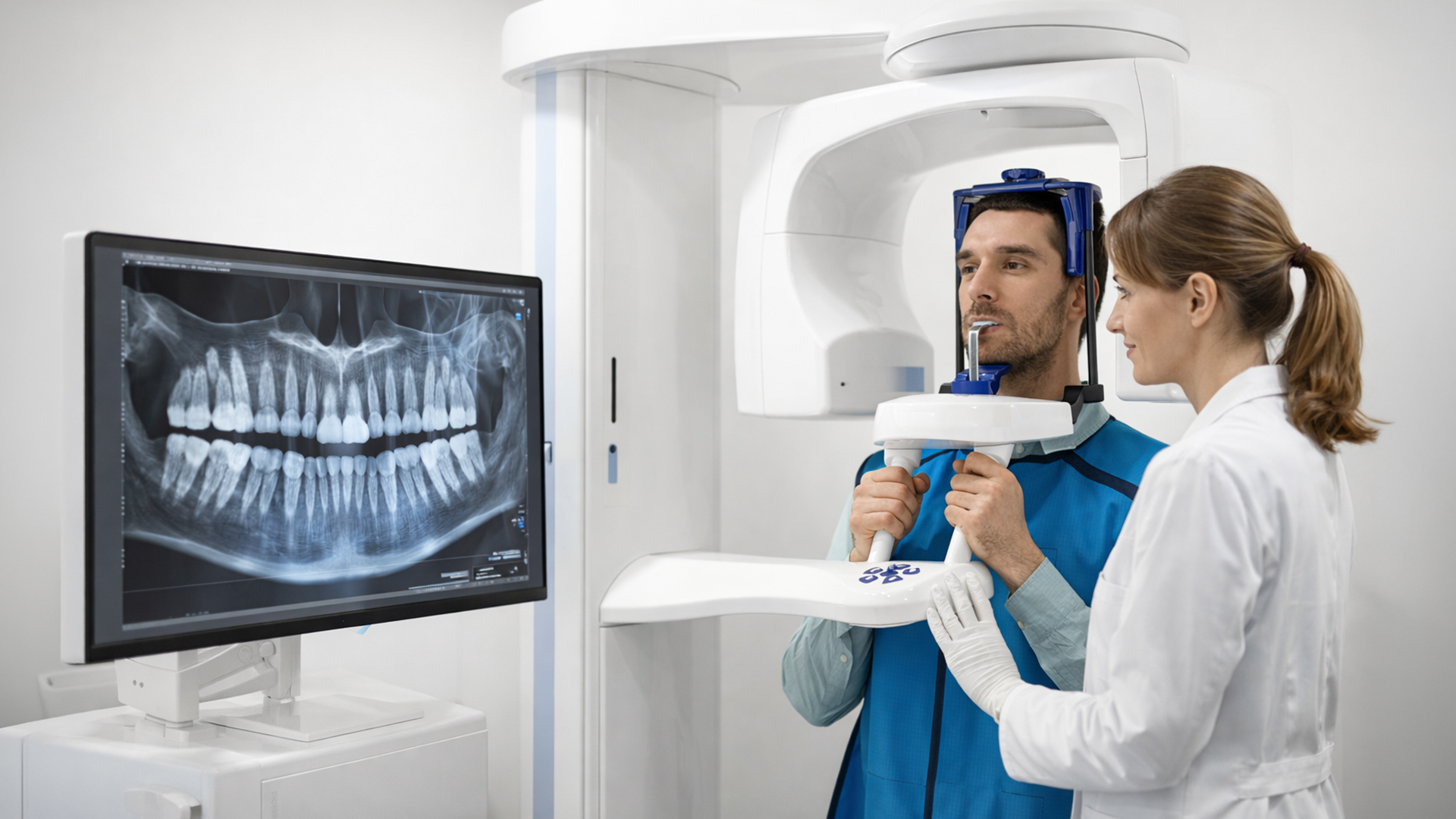
Cone Beam Computed Tomography (CBCT)
CBCT records a 3-D map of the tooth and bone in the vicinity:
- Finds additional canals that may be infected if missed.
- Exposes fractures or resorptive defects to enable the dentist to forecast success or propose alternatives.
Artificial-Intelligence Diagnostics
The program, like Endo Vision AI, can scan CBCT data to identify potential canals and periapical lesions, enabling clinicians to plan with precision. The fewer guesses made, the fewer surprises, the shorter the appointment, and, in the end, the less physical stress on the patient.
It was like watching a small planet being explored as I saw a 3-D image of my molar on the screen. Suddenly, it all appeared to make sense, not frightening, a personal reflection on the personal experience of the author of the same treatment last year.
Psychology & The Pain Paradox
Pain perception is partially in the head, regardless of the state-of-the-art tools.
The Cortisol Connection
Dental anxiety increases cortisol, the stress hormone of the body, and may increase pain sensitivity. Contemporary practices address this with:
- Noise-cancellation headphones and ceiling TVs.
- Mindfulness or short breathing in the operatory.
- Effective communication-seeing the process helps to eliminate uncertainties, which is the root cause of most fear.
Local anesthetic with Nitrous = A Stress-Free Brain
Inhaled nitrous oxide (laughing gas) does not leave you unconscious, but it dulls the fear response of the amygdala. The two-pronged strategy maintains a lower heart rate and cortisol levels, and anesthetic labor is more efficient. Reduced biologic stress can translate into faster healing.
Future: Bio-ceramic Sealers and Regenerative Endodontics
Bio-ceramic Sealers
Conventional gutta-percha fillings are now used in combination with calcium-silicate-based sealers, which:
- Elaborate a little on the setting, filling microscopic gaps.
- It is above PH 12, unfriendly to leftover bacteria.
This is beneficial to the patients since the relapse rate reduces significantly with a tighter seal, one of the reasons that the older generation was afraid that they might experience lingering pain following a root canal.
Regenerative Procedures
Clinicians can induce the growth of pulp-like tissue on the root of immature teeth so that the root can complete its development- no fillers necessary. Although it is still a niche, there is an indication that the term “root canal” will one day be replaced by the word “pulp revitalization”.
Conclusion
Advanced disinfection, smarter instruments, modern anesthesia, more accurate imaging, and a better understanding of patient psychology have all come together to make root canal therapy a more or less comfortable routine. Whenever someone tells you they had a painless root canal, they are telling the truth; it is not hyperbole in the marketing sense of the term, but rather science doing its mute business.
And if you have been putting off seeing the dentist about that sore molar, you may want to make an appointment. An hour-long visit today at Premiere Dental would save you hours of pain tomorrow, and you would be glad to see how you would feel in the chair.