Many people experience the sudden realization that they have a chipped tooth while eating or after an accidental impact. This common occurrence affects millions each year, often catching individuals off guard. Chipped teeth can result from biting hard foods, sports injuries, or accidental facial trauma, and may initially seem like a dental emergency, leaving individuals uncertain about the appropriate response.
Fortunately, chipped teeth are common and treatable with prompt and appropriate action. Immediate steps can help preserve oral health and minimize discomfort, whether the damage is minor or involves deeper layers of the tooth. This guide outlines recommended actions following a chipped tooth, emphasizing initial response and available treatment options.
By the end of this article, readers will be equipped to manage a chipped tooth and achieve optimal dental outcomes. In cases involving children, it is important to remain calm and carefully assess the situation.

Step 1: Stay Calm & Assess the Damage
The discovery of a chipped tooth often causes anxiety. However, it is important to remain calm, as most chipped teeth are not dental emergencies and can be effectively treated by a dentist. Begin by carefully examining the affected area with the tongue to assess the extent of the damage, determining whether only a small portion of enamel is missing or if a larger section of the tooth has fractured.
If possible, use a mirror to inspect the damaged tooth visually. Determine whether only the outer enamel is affected or if deeper layers are exposed. Small chips limited to the enamel are typically present as rough spots or minor areas of missing enamel along the tooth’s edge. The presence of a yellowish color beneath the enamel may indicate exposure of the dentin layer, signifying a more significant chip. Pink or red discoloration suggests that the pulp, which contains nerves and blood vessels, may be involved.
During assessment, note any pain or sensitivity. Some individuals experience immediate discomfort following a chipped tooth, while others may not notice pain initially. Sharp or shooting pain, particularly in response to hot or cold stimuli, may indicate involvement of the tooth’s inner layers. Absence of pain does not preclude later sensitivity, as exposed tooth structures remain vulnerable to temperature changes and oral bacteria.
Step 2: Manage Pain & Protect Your Mouth
Pain from a chipped tooth can be managed with several safe and effective methods before a dental evaluation. Over-the-counter nonsteroidal anti-inflammatory drugs (NSAIDs), such as ibuprofen or acetaminophen, may be used to alleviate pain and reduce swelling. These medications should be taken as directed on the packaging. Aspirin should not be used in individuals under 18 years of age. Consultation with a healthcare professional is recommended for those with medical conditions or who are taking other medications.
Cold therapy is also effective in managing pain and swelling associated with a chipped tooth. Applying an ice pack or cold compress to the outside of the cheek for 15 to 20 minutes at a time, with breaks in between, can help numb the area and reduce inflammation. In the absence of an ice pack, a bag of frozen vegetables wrapped in a thin towel can serve as an alternative. Localized cold application provides comfort before dental care.
If the chipped tooth has sharp edges, dental wax or sugar-free gum can be applied to cover the area and protect oral tissues. Dental wax is available at most pharmacies; if unavailable, a small piece of clean, soft candle wax may be used temporarily. This barrier helps prevent injury to the tongue, lips, or cheeks, thereby reducing the risk of additional pain and infection.
After chipping a tooth, eat only soft foods and avoid extreme temperatures, as these can increase sensitivity in exposed tooth structures. Room temperature or lukewarm liquids are generally most comfortable. It is advisable to chew on the side of the mouth opposite the chipped tooth to minimize additional strain.
Step 3: Preserve Any Tooth Fragments
Some of the most critical steps people tend to miss are finding and saving the tooth fragment that may have broken off. If you can find the chipped fragment, your dentist might be able to reattach it, especially if the piece is relatively large and the break is clean. When conditions are right, this process can result in the most natural-looking and long-lasting repair, which is known as tooth fragment reattachment.
Carefully inspect the area where the chip occurred, including food, the floor, clothing, or any other potential locations where the fragment may have fallen. If the chip occurred during eating, thoroughly search the food before consuming anything further to ensure all fragments are recovered. Adequate lighting and patience are essential, as tooth fragments are often small and difficult to distinguish from their surroundings.
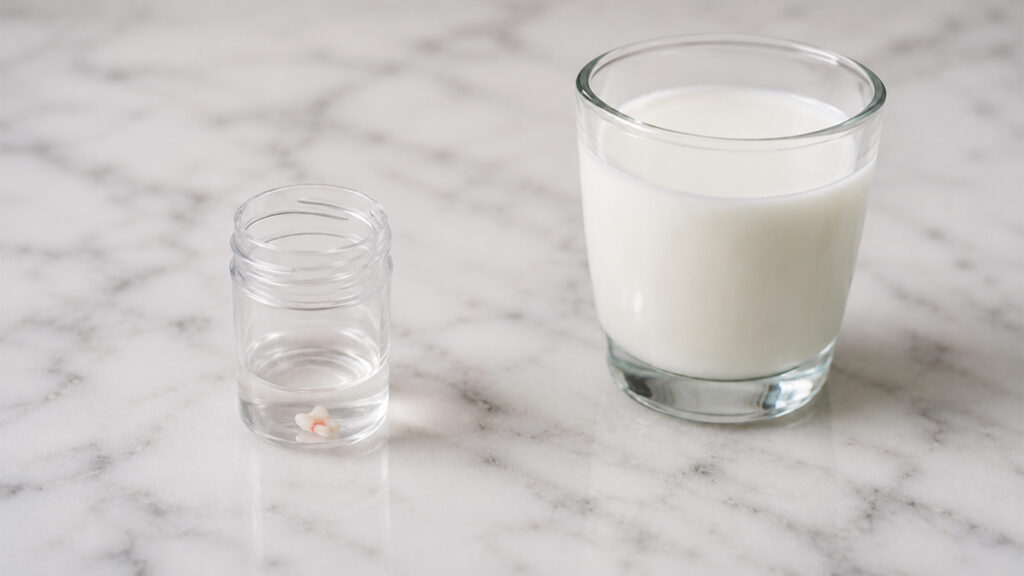
If tooth fragments are recovered, proper storage is essential to maintain their viability for potential reattachment. The optimal storage medium is saliva, which provides the necessary minerals and a stable pH to preserve tooth structure. Place the fragment in a small container with saliva, or, if this is not feasible, hold it under the tongue. Alternatively, milk can be used as a secondary storage medium due to its similar composition.
Don’t put tooth fragments in water because it may harm the cells in the tooth. In addition, do not use soap or chemical cleaners or even mouthwash to clean the fragment, as they can damage the natural structure of the tooth. Gently handle the piece and avoid any broken surface, which may need to be glued back. Keep in mind that time matters; the earlier the reattached fragment is seen by a dentist, the greater the likelihood of a successful reattachment.
Step 4: Schedule Professional Dental Care
While a chipped tooth may not constitute a crisis, prompt dental evaluation is recommended. Bacteria can accumulate in rough areas, and untreated chips may lead to further complications. Dental professionals are accustomed to managing chipped teeth and typically prioritize appointments for patients experiencing pain or significant damage.
When calling your dentist’s office, it is important to be able to describe how big the chip is and what symptoms you are experiencing. This information is important so the dental team knows how quickly you should come in and what appointment time you should reserve. If the chip is small and you’re not in pain, you might be able to wait a few days for a regular appointment. If the chip is large, the tooth is causing a lot of pain, or pink or red areas are visible in the tooth, you may need emergency care.
If a regular dentist is unavailable and the chipped tooth is causing severe pain or involves a large fracture, seek care at an urgent dental clinic or hospital emergency room. While emergency departments may not perform dental repairs, they can provide pain management and antibiotics if infection is present. Many cities have urgent dental care centers that offer services outside standard business hours.
Until a dental appointment is available, continue to implement pain management and protective measures as previously described. To maintain oral hygiene, gently rinse the mouth with a solution of 1/2 teaspoon of salt in a cup of warm water, avoiding vigorous rinsing to prevent additional discomfort. This mild rinse can help reduce bacterial presence and provide some soothing relief.
Understanding Your Treatment Options for a Chipped Tooth
Treatment options depend on the size and location of the chip, involvement of internal tooth layers, and overall oral health. For very small chips limited to the enamel, a dentist may polish rough edges and apply fluoride to strengthen the tooth. This conservative approach is typically sufficient for minor chips without functional or cosmetic impact.
Dental bonding is a common treatment for small to medium-sized chips. This procedure involves filling the affected area with a tooth-colored resin, shaping it to match the natural tooth, and hardening it with a specialized light. The process typically takes 30 to 60 minutes and often requires only one visit. Bonding is cost-effective and provides favorable cosmetic results, though it may require replacement every 5 to 10 years, depending on care and wear.
For larger chips or those affecting a significant portion of the tooth, a dentist may recommend a crown or veneer. Crowns protect the entire visible portion of the tooth and reinforce weakened structures. Veneers are thin shells applied to the front of teeth for cosmetic enhancement. Both options typically require two appointments: one for preparation and impressions, and another for placement of the permanent restoration.
If the chip exposes the inner tooth structure (pulp), which contains nerves and blood vessels, a root canal procedure followed by crown placement may be necessary. Modern root canal treatments are generally straightforward and highly successful. The dentist will clean and seal the tooth, then place a crown to ensure long-term protection and restoration.
Preventing Future Chips & Maintaining Your Smile
Identifying the cause of a chipped tooth can help prevent recurrence. Common causes include misaligned bites, biting hard objects such as ice or pen caps, using teeth to open packages, grinding or clenching teeth during sleep, and trauma from sports or accidents. Awareness of and management of these risk factors are essential to minimize the likelihood of chipped teeth in the future.
Wearing a properly fitted mouthguard is an effective way to prevent facial injuries during contact sports or activities that carry a risk of trauma. Custom-molded mouthguards provided by a dentist offer optimal protection, though over-the-counter options are preferable to none. Mouthguards are beneficial for a wide range of sports, including basketball, soccer, skateboarding, football, and hockey.

A night guard can help prevent excessive wear, chips, and cracks in individuals who grind or clench their teeth, particularly during sleep. Bruxism, or teeth grinding, subjects teeth to significant forces that may lead to deterioration over time. Individuals experiencing jaw soreness, headaches, or noticeable tooth wear should consult a dentist about using a night guard.
Experiencing a chipped tooth can serve as an opportunity to assess overall dental health. Regular dental checkups and cleanings help identify vulnerable areas before they develop into significant problems. Dental professionals can also offer personalized advice regarding individual risk factors and recommend preventive strategies tailored to specific needs.
Conclusion
Managing a chipped tooth can be straightforward with appropriate knowledge and action. Remaining calm and implementing protective measures can positively influence dental treatment outcomes. Addressing initial pain, preserving tooth fragments, and seeking timely professional care are all essential steps for maintaining oral health and promoting effective healing.
The primary message of this guide is that chipped teeth are highly treatable, and prompt professional intervention is recommended. Modern dentistry offers a range of effective solutions, from minor smoothing and bonding to more extensive restorations, to restore both function and appearance. Seeking dental care for a chipped tooth is common, and dental professionals are prepared to assist without judgment.
After chipping a tooth, it is important to take proactive measures to protect dental health. Consider using appropriate safety equipment during sports, and exercise caution with foods and objects that may pose a risk. Regular dental visits remain the most effective strategy for early detection and management of potential dental issues.
Individuals with a chipped tooth should seek prompt evaluation by a dental professional. Early intervention increases the range of available treatment options and improves long-term outcomes. With appropriate care, a chipped tooth can be effectively managed and will not result in lasting issues.