
Quick Answer: Red spots on the roof of your mouth are most often caused by strep throat, canker sores, oral thrush, physical injury, mouth ulcers, or hand, foot, and mouth disease. Most cases are harmless and clear up within 7–14 days. If spots last longer than two weeks, are painful, or come with fever or swelling, see a dentist.
The human body has its own ways of showing signs when a part of it needs attention, and red spots on the roof of the mouth are a notable example. Among the many different symptoms with various underlying causes that one can experience, the appearance of red marks on the roof of the mouth can be confusing and unsettling.
Sometimes easily ignored, these little spots might either occasionally indicate underlying medical conditions or be a harmless occurrence. Read along as we dive into the causes of these spots and how to deal with them!
Are Red Spots on the Roof of the Mouth Normal?
Red patches in mouth roof are usually harmless and can occur quite often. They are caused due to numerous reasons such as injuries from biting the inside of your cheek or consuming something rough, blisters from hot or spicy meals, or even stress.
Red dots on the roof of the mouth may occasionally indicate a bacterial or viral infection, such as strep throat or oral thrush, or, though extremely rarely, point to a more serious illness like oral cancer.
Even though red spots usually don’t indicate anything serious, it’s still crucial to monitor any changes in their appearance or texture, as well as any accompanying symptoms such as bleeding, swelling, or pain.
It is best to speak with a healthcare provider for further evaluation and advice if you observe anything strange or if the red spots last longer than a week or two.
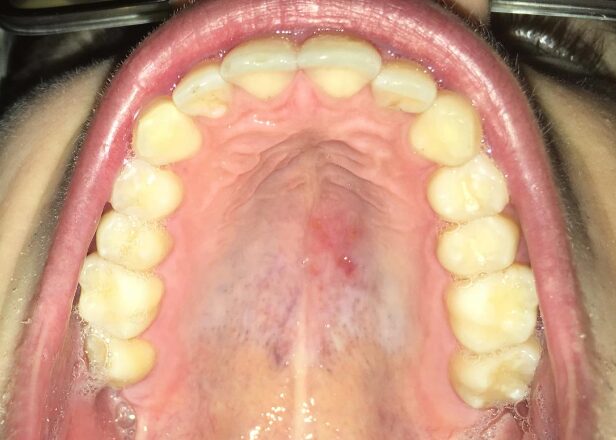
6 Reasons for Red Spots on Roof of Mouth
A rash on the roof of the mouth can be irritating and make it difficult to chew and swallow food. Here are the reasons behind the red soreness on the roof of the mouth:
Strep throat
Medically known as streptococcal pharyngitis, strep throat is caused by bacteria of the Streptococcus group. The toxins released by the bacteria irritate the tissues in the throat and adjacent areas, causing inflammation and redness. And so, these areas might be painful or feel uncomfortable when you chew or swallow.
The most common symptoms of strep throat are:
- A sore throat,
- Trouble swallowing,
- Fever,
- Enlarged lymph nodes in the neck, and
- Red bumps on the roof of the mouth.
The bumps may appear as large, inflammatory areas with a white or yellowish coating, or as tiny, pinpoint red dots. The good news is that strep throat goes away with an antibiotic course and isn’t a worry for the most part!
Canker sores
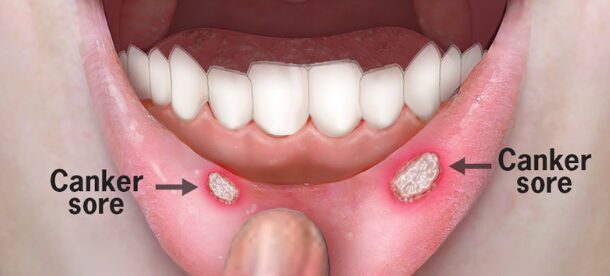
Canker sores (Aphthous ulcers) are a common oral condition that causes small, shallow blisters to appear in the delicate tissues of the mouth, especially the roof of the mouth. These ulcers usually appear as oval or round spots with a red, inflamed border surrounding a white or yellow center.
While canker sores are usually harmless, they can cause pain or discomfort, especially when eating, drinking, or talking. Even after extensive research, the exact cause of canker sores remains unknown. That said, we have a few good theories on what triggers canker sores, which include:
- Stress
- Genetics
- Food allergies
- Hormonal
- fluctuations
Canker sores hurt, but they usually go away on their own within 1 to 2 weeks without leaving any scars.
Oral thrush
Oral thrush, often known as oral candidiasis, is a fungal infection that is characterized by an overabundance of Candida yeast species in the oral cavity.
Although candida is a normally occurring bacteria in many parts of the body including the mouth, it can multiply excessively and cause oral thrush in certain circumstances such as a weakened immune system.
The tongue, inner cheeks, gums, and roof of the mouth are among the areas where this infection appears as creamy white spots or patches. These spots frequently appear against a background of red, inflammatory tissue and can sometimes resemble cottage cheese.
Although oral thrush mostly affects the mouth’s soft tissues, it can sometimes spread to the throat, causing pain and making swallowing difficult.
Physical injury
Physical injuries can result from several things, including:
- biting oneself unintentionally
- eating something sharp
- poor-fitting dentures
- a blow to the mouth during physical activities like sports.
Biting the inside of the cheek by accident happens frequently, particularly when eating and chewing too quickly or carelessly. This may cause slight stress to the affected tissue, resulting in little red spots or inflammatory areas.
Similarly, eating items that are sharp or abrasive, such as hard candies or crusty bread, can cause scratches or cuts to the sensitive lining of the mouth, leading to redness or irritation.
Mouth ulcers
Mouth ulcers are small, round, or oval-shaped sores that appear on the inside of the mouth lining. They are common but can be excruciatingly painful. These ulcers can range in size from a few millimeters to several centimeters.
The main causes for mouth ulcers include:
- viral infection such as HSV
- autoimmune diseases such as SLE and Behçet’s disease
- deficiencies in B12, iron, folate, or zinc
- certain medications including NSAIDs and ACE inhibitors
Mouth ulcer frequency and severity can be decreased by practicing good dental hygiene, avoiding identified triggers (such spicy or acidic foods), and addressing underlying medical disorders.
Hand, Foot, and Mouth Disease (HFMD)
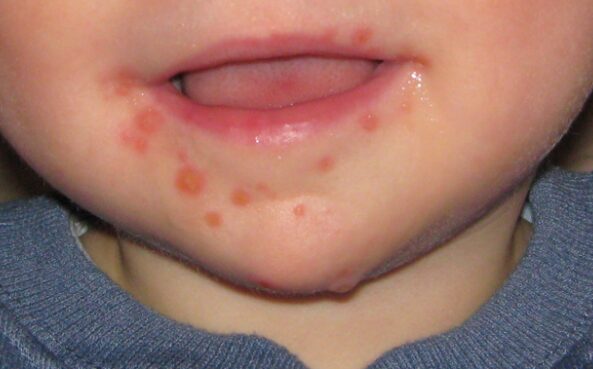
Hand, foot, and mouth disease (HFMD) is a common contagious viral infection that’s primarily prevalent in newborns and young children, but it can affect adults too.
HFMD causes various symptoms that affect various parts of the body including fever, sore throat, and a characteristic rash that usually appears on the hands, feet, and occasionally on the buttocks. Red spots or ulcers within the mouth, including on the roof of the mouth, can also result from HFMD.
The main ways that HFMD is spread are by direct contact with infected people, respiratory droplets, or feces that contain the virus. Because of the virus’s quick spread in public places like daycare centers, schools, and other gathering places, young children are especially vulnerable to this infection.
When Should You See a Dentist?
Most red spots are harmless and self-resolving. However, book a dental appointment if any of the following apply:
- The spots have not cleared up after 2 weeks
- You have difficulty swallowing or breathing
- The spots are painless but growing or changing in appearance
- You notice unexplained bleeding in your mouth
- Spots are accompanied by fever or swollen lymph nodes
- You use tobacco. Persistent red patches in tobacco users should always be evaluated
At Premiere Dental, we offer oral cancer evaluations as part of our comprehensive dental check-ups. Early detection makes a significant difference in outcomes. If you’re unsure about what you’re seeing, it’s always better to get it checked.
👉 Book an appointment at our Abington PA, Northeast Philadelphia, or West Deptford NJ locations
How do you get rid of red spots on the roof of your mouth?
Getting rid of red spots on the roof of your mouth is dependent on the underlying condition. However, here are some general tips you should implement:
- Maintain Good Oral Hygiene: Make sure to floss every day and brush your teeth at least twice a day. Bacterial or fungal infections that cause red spots can be avoided with proper dental hygiene.
- Steer Clear of Irritants: Don’t consume foods that are harsh, spicy, or acidic since these might irritate the roof of your mouth and make red patches or ulcers worse.
- Keep Your Mouth Hydrated: To keep your mouth wet and promote healing, sip lots of water.
- Avoid alcohol and tobacco: Both can irritate the mouth and slow the healing process. Steering clear of these substances can aid the roof’s condition.
- Seek Medical Advice: For a proper diagnosis and treatment, you must visit a healthcare professional if the red spots worsen, persist, or are accompanied by other serious symptoms like extreme discomfort, swelling, or difficulty swallowing.
FAQ
Final Thoughts
Red spots can be avoided, and overall dental health can be improved by practicing healthy habits, avoiding irritants, and maintaining proper oral hygiene. For an accurate diagnosis and course of treatment, you should see a medical practitioner if you have severe or persistent red spots.
At Premiere Dental, we’re dedicated to providing comprehensive oral care solutions tailored to your specific needs. Our team of skilled professionals can assist you with preventive care and the treatment of oral health issues. Make an appointment with us right now to discuss your oral health issues and get rid of those painful red spots on the roof of your mouth.