
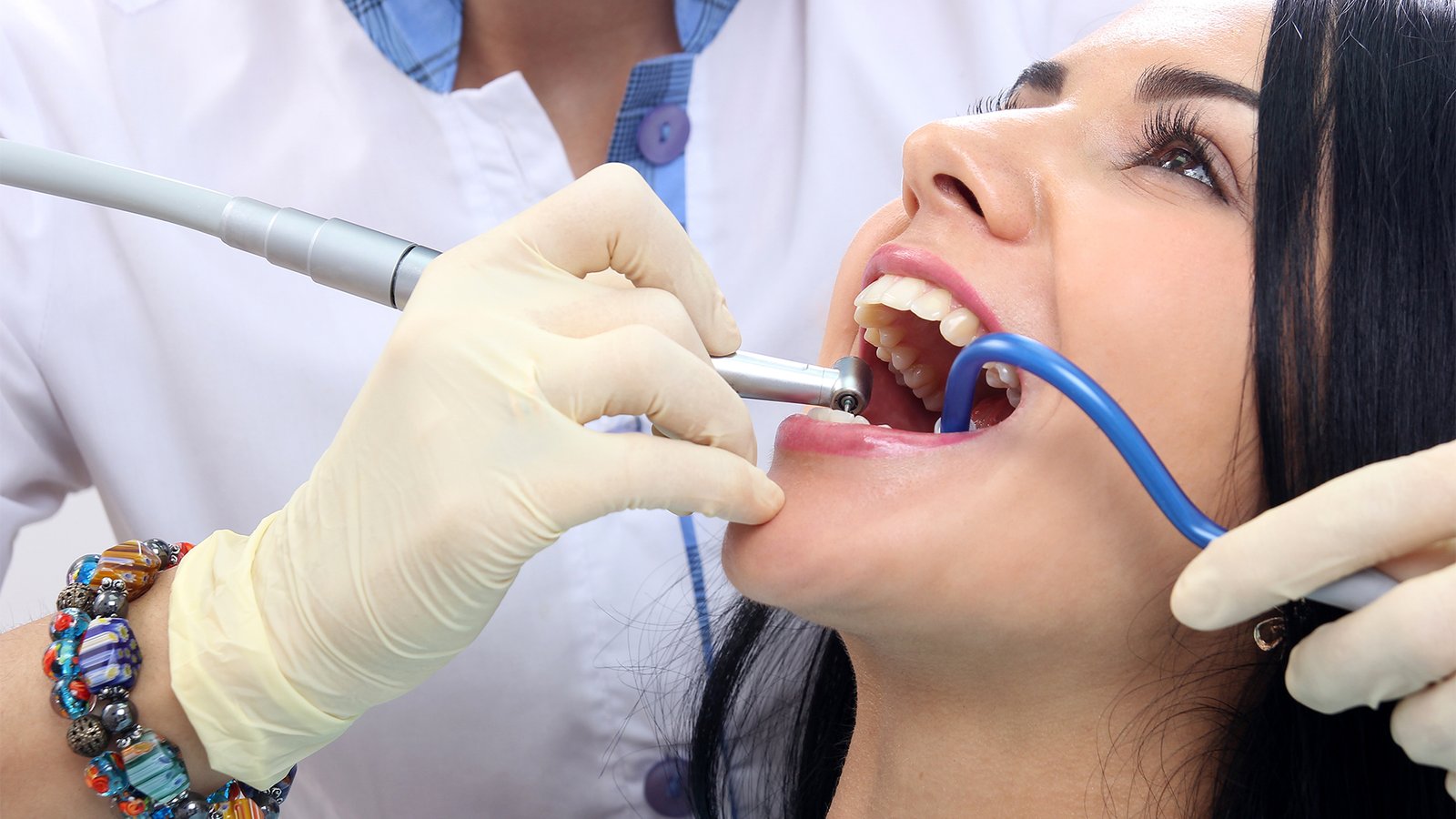
The drill stops, the rubber dam comes off, and you finally sit up from the dental chair, root canal complete. But later that day or even a week afterward, a dull ache (or a sharp jolt) reminds you that something was done inside that tooth. Is that twinge part of healing, or is it a warning sign you should call your dentist right away? In this article, we’ll sort out:
Why Some Discomfort Is Perfectly Normal
Root canal therapy (also called endodontic treatment) removes infected or inflamed pulp from deep inside a tooth. That process includes:
- Cleaning and shaping tiny root canals with files
- Irrigating with antimicrobial solutions
- Filling those canals with a biocompatible material (gutta-percha)
Even though the tooth is numbed, the surrounding ligaments and bone can still become irritated. Think of it like a bruised knuckle after you bang your hand tenderly, but generally on the mend.
What Typical Post-Treatment Pain Feels Like
- A mild to moderate ache or throbbing, especially when biting down
- Occasional shooting sensitivity that fades quickly
- Soreness in the jaw from keeping your mouth open
Normal Healing Timeline
1. First 24–48 hours: Peak tenderness; over-the-counter NSAIDs (e.g., ibuprofen) usually control it.
2. Day 3–7: Noticeable improvement; only intermittent discomfort.
3. Week 2: Most patients feel normal or forget the tooth was ever an issue.
“Studies show that 80–90 % of root canal patients report mild, manageable pain that subsides within the first week.” – Journal of Endodontics, 2020
When Pain Is Not Normal: Red Flags to Watch
Occasional tenderness is okay. Persistent, escalating, or unusual pain is not. Contact your dentist or endodontist if you notice any of the following:
Severity & Duration
- Throbbing that worsens after day three
- Pain severe enough to wake you at night
- Need for prescription-level painkillers beyond 48 hours
Associated Symptoms
- Swelling of the face, gum, or neck
- Fever or general malaise
- A pimple-like bump (fistula) on the gum that drains pus
- A foul taste or odor in the mouth
Functional Problems
- Tooth feels suddenly higher when you bite (possible high filling)
- Pain on light touch or even without pressure
- Numbness or tingling in the lips or cheek (rare but urgent)
What Causes Post-Root Canal Pain That Won’t Quit?
1. Residual or Recurrent Infection
- Occasionally, bacteria remain in tiny accessory canals.
- New bacteria can also sneak in if the temporary filling leaks.
2. Missed Canal or Complex Anatomy
Molars can have four or more root canals. A hidden canal may harbor microbes that continue to inflame the tooth.
3. Cracked Tooth or Root
A vertical fracture may mimic root-canal failure. Pain often spikes when biting on release (the “tooth trampoline” effect).
4. High Bite (Occlusal Trauma)
If the filling or crown sits too tall, every chew hammers the ligaments around the tooth, causing prolonged soreness.
5. Sinus Involvement (Upper Molars)
Proximity to the maxillary sinus can result in referred pain or a pressure-like sensation.
Easing Normal Discomfort at Home
- NSAIDs: Ibuprofen (400–600 mg every 6–8 h) or naproxen as advised by your dentist.
- Cold Compress: 15 minutes on, 15 off during the first day to curb swelling.
- Salt-Water Rinse: Warm (not hot) saline rinses promote circulation and cleanliness.
- Soft Diet: Soups, yogurt, scrambled eggs, and avoid hard nuts or crusty bread.
- Sleep with Head Elevated: Reduces vascular pressure and throbbing.
Always follow the specific instructions your dental provider gives you.
Time to Call the Dentist: What Happens Next
Examination & Imaging
- Digital X-rays assess canal fill and surrounding bone.
- A 3-D CBCT scan may reveal missed anatomy or hidden cracks.
Possible Solutions
- Bite Adjustment: Quick polish to lower a high spot.
- Medication: Stronger antibiotics or pain relievers if infection is suspected.
- Root-Canal Retreatment: Re-entering the tooth to disinfect and refill canals.
- Apicoectomy: Surgical removal of the root tip if retreatment is not possible.
- Extraction & Replacement: A last resort if the tooth is non-restorable.
Preventing Problems in the First Place
Choose the Right Provider
- Endodontists complete two or more extra years of specialized training.
- Check for microscopes and 3-D imaging in the office, indicators of modern techniques.
Don’t Delay the Final Crown
A temporary filling is meant for short-term use; getting a permanent crown quickly seals the tooth from re-infection.
Follow Post-Op Instructions
- Take medications exactly as prescribed.
- Keep the area clean, but avoid aggressive brushing on day one.
Maintain Overall Oral Hygiene
- Brush twice a day with a soft brush.
- Floss gently around the treated tooth to prevent gum inflammation.
Conclusion
A root canal should ultimately provide relief, not endless agony. Mild tenderness is your body’s normal response to internal dental work, but pain that persists, worsens, or brings friends like swelling or fever is a different story. By knowing the difference between normal healing and warning signs and by acting quickly when red flags pop up, you protect not only that single tooth but also your entire well-being.
Still unsure about that post-root-canal twinge? Reach out to the Premiere dental team rather than Googling in the dark. A brief conversation (and maybe an X-ray) can put your mind and your tooth at ease.