

Most of us know that eating too much sugar isn’t great for our health, but have you ever wondered what it actually does to your teeth? Sugar is one of the main reasons people develop tooth decay, which is a common problem for kids and adults alike. The good news is that, in most cases, tooth decay can be completely prevented with the right care.
Whether it’s a soda with lunch, a piece of chocolate after dinner, or a glass of fruit juice in the morning, the sugar in these foods and drinks can quietly work against your teeth. The encouraging part is that once you understand how sugar affects your smile—and learn a few simple steps to protect it, you can keep your teeth healthy for years to come.
This guide will help you do just that. We’ll tell you everything from how sugar affects your teeth to the great daily habits that will help keep tooth decay at bay.
How Sugar Actually Causes Tooth Decay
Taking the time to learn the actual mechanics of your mouth when you’re eating something sweet is a good way to protect your smile. It is important to understand what’s going on in your mouth when you’re eating a sweet treat so you can keep your smile protected.
There are both good and bad bacteria in your mouth. As soon as you consume something with sugar in it, the bacteria in your mouth that are bad for your teeth eat the sugar. While they’re doing this, they generate acid as a by-product. This acid then begins to wear away at the hard outer layer of teeth, called the enamel.
Let’s take a look at how it’s done:
- Consumes food or beverage containing sugar.
- The bacteria in your mouth eat the sugar.
- The bacteria are acid-producing.
- The acid eats away at your tooth enamel.
- This forms little holes in the teeth (cavities) over time.
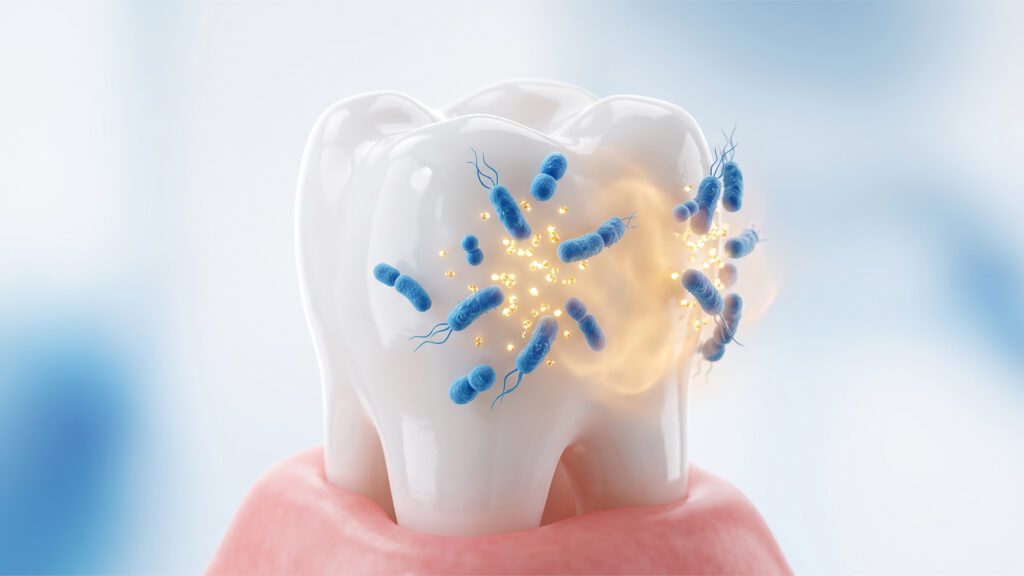
This can happen within minutes after eating sugar. And the more often you eat sugary foods throughout the day, the more often your teeth are attacked by acid. Damage accumulates over time, and that’s when tooth decay occurs.
Knowing that not only the quantity of sugar consumed but also the frequency and duration of tooth exposure to sugar is important is valuable. It’s worse to drink a sugary beverage throughout the day than to have a piece of cake once, and then it’s over. It’s worse to sip a sugary beverage all day long than to have a single bite of cake.
Common Foods and Drinks That Are Secretly High in Sugar
The challenge of combating tooth decay is that sugar is found in many foods that you may not realize are sugary. The following are some of the typical suspects.
These are the beverages to avoid:
- Sodas and fizzy drinks: These have a lot of sugar, even in small cans. Though diet sodas contain fewer sugars, they are still acidic and can erode enamel.
- Fruit juices: While many believe juice is a healthy choice, commercially purchased juices can contain as much sugar as a can of soft drinks.
- Sports drinks and energy drinks: These may seem healthy, but they tend to be high in sugar.
- Flavored coffees and teas: A flavored latte from a coffee shop can contain several tablespoons of sugar.
- Smoothies: Many smoothies in stores have added sugar, but homemade smoothies are fine.
Foods to Watch Out For:
- Sweets and candy: This is an obvious one, but hard candies are particularly bad since they are in your mouth for extended periods.
- White bread and crackers: They rapidly break down into simple sugars in your mouth.
- Dried fruit: It has sugar in it, but dried fruit is very sticky and clings to teeth.
- Breakfast cereals: Many popular cereals have a surprising amount of sugar, especially those marketed to children.
- Sauces and condiments: Ketchup, barbecue sauce, and salad dressings may all contain hidden sugars.
Knowing how to interpret food labels can make all the difference. Check the “total sugars” line on the nutrition panel and, when possible, opt for those with less sugar.
Signs You Might Already Have Tooth Decay
It’s important to know which signs to watch for before you start looking into ways to prevent tooth decay. The earlier you catch the decay, the better your chance of preventing it from worsening.
Common symptoms of dental caries are:
- Tooth sensitivity: Pain or discomfort when eating or drinking something hot, cold, or sweet.
- Toothache: A constant or occasional ache in a tooth can be a sign that decay has reached deeper layers.
- Visible holes or pits: You might actually be able to see a small hole or dark spot on a tooth.
- Pain when biting down: If a tooth hurts when you bite into something, it could signal decay or a cavity.
- Discoloration: Brown, black, or white spots on your teeth can indicate early or advanced decay.
- Bad breath: Persistent bad breath that does not go away with brushing can sometimes be linked to decay.
It’s a good idea to get a dental check-up as soon as possible if you notice these signs. Early diagnosis of tooth decay is easier and more cost-effective. The American Dental Association’s website provides more information about the stages of tooth decay.
How to Prevent Tooth Decay: Daily Habits That Make a Real Difference
The best way to maintain a beautiful smile is by developing a few good, regular habits. These habits don’t have to be complex and time-consuming. Here are some day-to-day activities you can do to help avoid tooth decay from sugary foods.
- Brush Your Teeth Twice a Day
This is the simplest but most significant step. Brush your teeth twice a day, in the morning and before bed. Always brush with fluoride toothpaste, which helps harden enamel and neutralize acid produced by bacteria.
Brush for two minutes or more at a time. Many people brush too quickly and do not reach all areas of the gums and between teeth, where decay can begin.
- Floss Every Day
Brushing won’t clean between the teeth, and this is where a lot of decay starts. Flossing once a day will help remove food trapped between teeth and plaque your toothbrush cannot remove.
When flossing is difficult, consider an alternative such as a floss pick or a water flosser; these are excellent options that can help maintain flossing habits.
- Rinse With a Mouthwash
An antibacterial or fluoride-containing mouthwash once a day provides additional protection. It helps eliminate undesirable germs in the mouth and may reach areas that brushing and flossing don’t. Find a mouthwash intended to help prevent cavities.
- Reduce How Often You Eat Sugary Foods
As stated above, this can’t be repeated enough. Limit sugary foods and drinks to mealtimes. Your saliva production is increased at mealtimes, and that’s good for a number of reasons, including that it will neutralize the acid in your mouth and wash away the sugar.
- Drink More Water
Fluids are better for your teeth than anything else: water is the best. It cleans away food residue and sugar, and if the tap water is fluoridated, it provides added protection. Eating or drinking something sugary before drinking water can help wash away any acid that you may have on your teeth.
- Chew Sugar-Free Gum
Sugar-free gum stimulates saliva production after meals. Saliva is a natural defense system in your mouth that neutralizes acid and helps repair early enamel damage. Find gum with xylitol, a natural sweetener that has been proven to help lower the amount of harmful bacteria in your mouth.
The Right Way to Brush and Floss to Prevent Tooth Decay
There is a lot to good brushing and flossing technique. This is the correct way to do both:
Brushing Technique
- Keep the toothbrush at a 45-degree angle to the gums.
- Gently massage rather than scrubbing from back to front; this might damage the enamel.
- Brush all sides of each tooth, front, back, and chewing surface.
- Remember to brush the tongue, as it can have bacteria on it as well.
- Change the toothbrush or toothbrush head every 3-4 months, or more often if the bristles appear worn.
Flossing Technique
- Take about 18 inches of floss and wrap most of it around your middle fingers, leaving about 2 inches to work with.
- Gently work the floss in between teeth in a zig-zag pattern.
- Bend the floss into a C-shape around each tooth and under the gumline.
- Be sure to use a clean piece of floss for each tooth.
Don’t stop if your gums bleed when you floss; they are likely inflamed, probably due to plaque buildup, but removing the plaque with regular flossing will keep them from bleeding in a week or two. If the bleeding persists, consult with your dentist.
Foods and Drinks That Help Protect Your Teeth
Tooth-Friendly Foods
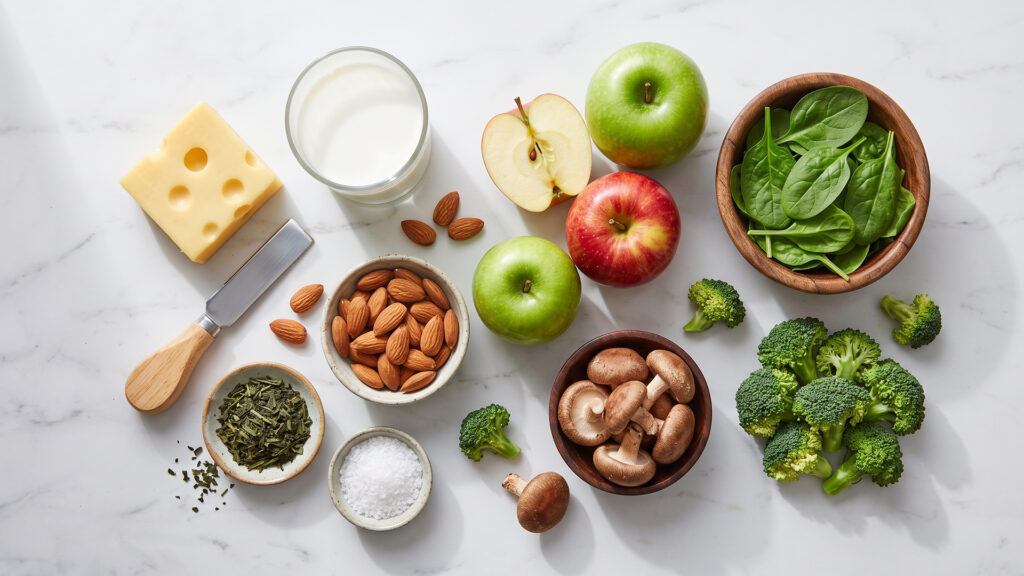
- Dairy products: Cheese, milk, and plain yogurt are rich in calcium and phosphate, which help strengthen enamel. Cheese also raises the pH in your mouth, which lowers acidity.
- Leafy greens: Foliage vegetables such as spinach and kale are rich in calcium and also have folic acid, which is beneficial for healthy gums.
- Crunchy fruits and vegetables: Apples, carrots, and celery are like a natural toothbrush. They are crunchy and scrub away plaque, while encouraging salivation.
- Nuts: Almonds, cashews, and peanuts are good sources of calcium and protein and are low in sugar.
- Eggs: A good source of phosphorus and vitamin D, which are needed for healthy, strong teeth.
- Fatty Fish: Salmon, sardines, and mackerel are rich in vitamin D, and this vitamin enables the body to absorb calcium more effectively.
Best Drinks for Dental Health
- Water: Plain water is the best drink for your teeth, especially fluoridated water.
- Milk: Contains calcium, which is good for enamel.
- Green and black tea: They have chemicals that inhibit the growth of bacteria in your mouth. Choose unsweetened varieties.
How Fluoride Helps Prevent Tooth Decay
Fluoride is a natural mineral that is proven to be one of the most effective means to prevent tooth decay. It works by:
- Hardening enamel: Fluoride reacts with minerals in your enamel and hardens it so that it can withstand the acids.
- Fluoride can help reverse early decay: When decay is still in the very early stages (before it forms a cavity), fluoride can actually help to reverse the damage and remineralize the enamel.
- Slowing down the work of the bacteria that lead to decay: Fluoride can slow the action of the bacteria that cause decay.
There are several sources of fluoride:
- Use fluoride toothpaste: Ensure the toothpaste contains fluoride. Look for sodium fluoride or stannous fluoride as an ingredient on the label.
- Fluoridated tap water: Some cities and countries fluoridate their drinking water. Contact your local water company to determine whether it does.
- Mouthwash (OTC): Extra daily protection, fluoride.
- Professional fluoride treatments: Your dentist can apply a concentrated fluoride gel, varnish, or foam directly to your teeth, delivering a higher dose of fluoride than you can get from toothpaste.
Why Regular Dental Visits Are Important
Daily brushing and flossing, along with a low-sugar diet, are important, but so are regular dental visits. Here is why:
- Professional cleaning: Professional cleaning by a dental hygienist can help remove tartar (hardened plaque), which brushing can’t. If not properly treated, tartar can cause gum disease and decay.
- Early detection: Dentists can detect the earliest stages of decay, even before it causes pain or becomes visible. Early diagnosis leads to less treatment and less expense.
- Tailored recommendations: Your dentist knows your teeth and can offer you advice on any issues you may have, such as whether you need more fluoride or a dental sealant.
- X-rays: Dental X-rays can help identify decay between the teeth and under fillings, which may not be visible to the naked eye.
The general rule is that most people should go to the dentist for a routine checkup and cleaning twice yearly. If you are at increased risk for decay, such as due to frequent sugar consumption, dry mouth, or a history of decay, your dentist may want you to see them more often.
Tips for Protecting Your Kids’ Teeth From Sugar
Tooth decay can affect children particularly because their teeth have not fully developed, and their enamel is thinner. Follow these tips to keep your little ones’ smiles safe:
Start Early
- Start cleaning your baby’s mouth before they have teeth: wipe the gums after feeding with a damp cloth.
- Starting from the first tooth, use a smear of fluoride toothpaste for brushing.
- The amount can be increased to a blob as large as a pea by age three.
Limit Sugary Drinks
- Do not put a baby to sleep with a bottle of juice, milk, or formula; it is a leading cause of “baby bottle tooth decay.
- Get children to use water between meals, not juice or flavored drinks.
- Do not give fizzy drinks to children for as long as possible.
Make Brushing Fun
- Allow kids to pick out a toothbrush they like, either by color or design.
- Have a 2-minute timer or play a song to make brushing less of a chore.
- Brush your teeth with your child to set a good example.

Dental Sealants
Have your child’s dentist discuss the possibility of a dental sealant, a thin coating applied to the chewing surfaces of the back teeth. They protect the teeth by preventing food and bacteria from accumulating in the grooves, thereby reducing the risk of decay.
Watch Their Diet
- Sweets and sugary snacks should be consumed only at mealtimes.
- Instead of biscuits and sweets for snack time, try fruit, cheese, or vegetable sticks.
- Pay attention to labels on children’s items: yogurts, drinks, cereal bars, etc. Many of these contain a lot of sugar.
Natural Remedies That Support Dental Health
Although natural remedies are not a replacement for regular brushing, flossing, and visiting the dentist, they can provide added assistance with oral care:
Oil Pulling
Oil pulling is a practice that involves swishing oil, typically coconut oil, around the mouth for 10-15 minutes before spitting it out. Other studies indicate that it helps to lower harmful bacteria and promote good gum health. Although it is not definite, many people make it a part of their daily morning ritual.
Aloe Vera Gel
Aloe vera is an antimicrobial plant. Some people also use pure aloe vera gel as toothpaste or mouthwash to decrease bacteria in the mouth. If you do, use food-grade aloe vera.
Green Tea
Unsweetened green tea has been associated with improved oral health when consumed regularly. The compounds in green tea have an antibacterial effect and may help reduce gum inflammation; they are called catechins.
Xylitol Products
Xylitol is a natural sugar substitute that can be used in some chewing gum, mints, and toothpaste. Xylitol prevents bacteria in the mouth from producing acid, unlike regular sugar. Over time, regular consumption of xylitol-containing products has been proven to decrease the amount of cavity-causing bacteria.
Staying Hydrated
One of the most surprising risk factors for tooth decay is dry mouth. With a reduced production of saliva, the acid remains in contact with your teeth for longer. Keep your mouth moist and saliva flowing by drinking plenty of water all day.
Conclusion
Preventing sugar from affecting your smile doesn’t have to be difficult. There are many things you can do every day and a few things you should know about what you’re consuming that can help lower your risk of tooth decay and help you keep your teeth in excellent condition for years to come.
Let’s quickly review the most essential steps to avoid tooth decay:
- Brush twice daily with fluoride toothpaste, and floss using proper brushing methods.
- Floss once a day to clean between the teeth, which brushing cannot.
- Drink more water and reduce sugary drinks, particularly between meals.
- Consume a tooth-friendly diet that includes more vegetables, fruit (crunchy), and dairy products.
- Reduce the frequency of eating sugar rather than the amount.
- Use fluoride products, such as toothpaste and mouthwash.
- Get routine check-ups and cleanings at your dentist’s office.
- Establish good habits early to help save children’s developing teeth.
Your smile is one of the first things that people notice when they see you, and it’s crucial for your overall health and confidence. If you take good care of your teeth today, you will have less trouble and spend less time in the dentist’s chair tomorrow.
Frequently Asked Questions About Sugar and Tooth Decay
How quickly does sugar cause tooth decay?
The acid starts to form minutes after consuming sugar. But it takes weeks, months, or years of repeated acid attacks to form a cavity, which is the actual process of tooth decay. The key is to minimize how often and for how long your teeth are exposed to sugar.
Is natural sugar (like in fruit) just as harmful as added sugar?
Whole fruit sugar is less harmful than added sugar because it also contains water and fiber, which help slow the release of sugar. Fruit juices erode this, though, and can cause the same damage to teeth as sugary beverages. It is much more beneficial to eat whole fruit.
Can tooth decay be reversed?
Tooth decay can be halted at the initial stages, even before a cavity has completely developed, by remineralizing the enamel of your teeth. With the aid of fluoride, calcium, and proper oral care, this may help. However, once a cavity forms, it is irreversible and requires dental care.
Does chewing gum really help prevent tooth decay?
Gum, particularly xylitol gum and sugar-free gum, can also help by increasing saliva production and reducing bacterial numbers. It’s an excellent complement to brushing and flossing.
How much sugar per day is safe for your teeth?
The World Health Organization suggests that less than 10% of daily energy intake should come from free sugars, and that this percentage can be reduced to less than 5% for additional benefit. This is about 25-30 grams per day for most adults. If you eat that sugar at one time, it’s better for your teeth than eating sweet things throughout the day.
Are artificial sweeteners better for your teeth?
Most artificial sweeteners, such as aspartame, stevia, and sucralose, do not cause acid production by bacteria in your mouth, making them tooth-friendly. But sweetened beverages made with artificial sweeteners are also acidic, so be aware of that.