

Getting a dental crown can be a great relief, since a damaged, cracked, or heavily filled tooth finally has protection, and you leave the dental office hoping everything will feel normal again.
At that point, you drink some cold water and experience a sharp pain.
Maybe the crowned tooth feels tender when you eat dinner. It is natural to be unsure if there’s been a problem. In most cases, slight tooth sensitivity after a crown fitting is temporary and a normal part of the healing process, as the tooth and surrounding gum tissue have just undergone dental treatment and need time to adjust.
Yet, all kinds of discomfort should not be ignored. The pattern, intensity, and duration of your symptoms are important. The following outlines what you can generally expect, what may help, and when to contact your dentist.
Is it normal to be sensitive when you have a crown?
It is true that a certain degree of sensitivity can be normal after a crown has been placed. The tooth with the crown may respond to hot or cold foods and beverages, and the surrounding gum may feel tender for a short period of time.
A crown procedure includes preparing the natural tooth, taking impressions or scans, putting in a temporary crown in certain instances, and then bonding the final restoration; even if all the steps are carried out successfully, the tooth and the surrounding tissues are still affected, and the nerve within the tooth may react to the irritation.
The Cleveland Clinic notes that it is normal to be sensitive to both heat and cold for a couple of weeks after a crown is placed, and that gum soreness or tenderness should usually subside within a few days. Although these time frames are helpful, they do not guarantee that all individuals will recover at the same rate.
A few people have very little sensitivity, while others experience a short-lived discomfort when the tooth comes into contact with a cold drink. What is most important is that the symptoms get better rather than get worse or become more constant.
How long does sensitivity last after getting a crown?
For most people, mild sensitivity subsides after a few days to a couple of weeks; you’ll find you notice it less frequently as the tooth adjusts and the surrounding gum tissue heals.
The timeline can vary based on several factors:
- How much of the tooth structure had to be removed?
- One might ask whether the tooth had undergone a deep filling or whether it had prior damage.
- Whether the crown is temporary or permanent.
- The condition of the nerve located within the tooth.
- The state of the gums surrounding the crown.
- Whether the bite requires a slight adjustment.
- Your individual healing response.
A temporary crown might feel different to you from the final restoration and could be more sensitive to pressure; the tooth might respond while it waits for the permanent crown. Make sure to follow the instructions from your dental office and contact them if the temporary crown comes loose or if the discomfort becomes difficult to manage.
The main question isn’t just “How many days has it been?”, it’s also “Is it getting better?” Mild discomfort that is gradually disappearing is generally less worrying than pain that is worsening or changing in character.
How does normal sensitivity feel after getting a crown?
Normal sensitivity associated with healing is usually short-lived. For instance, you might experience a brief sharp sensation when drinking a cold or hot beverage, after which you feel relief once the stimulus has been taken away. The tooth can also feel slightly tender when chewing during the first few days.
The gums might become sensitive because the procedure could involve fitting a temporary or permanent crown near the gumline, and brushing in that area may feel slightly uncomfortable at first.
You ought to be able to carry on as normal. There is no need for you to give up all food, to lose sleep frequently, or to have to take pain relief in order to get through the day. However, if the discomfort is affecting your normal activities, you should contact your dental office for advice.
What causes a tooth that has a crown to feel sensitive?
The tooth is recovering from preparation
To accommodate a crown, the dentist shapes the tooth’s outer surface. Although the procedure is carefully planned, the tooth can remain sensitive afterward, particularly if it already has a large filling, a crack, or has undergone previous treatment.
The gum tissue is irritated
The crown’s edge is close to the gumline, and the surrounding tissue may be slightly inflamed from the procedure, which can make the area feel tender when you brush or eat.
The bite feels slightly different
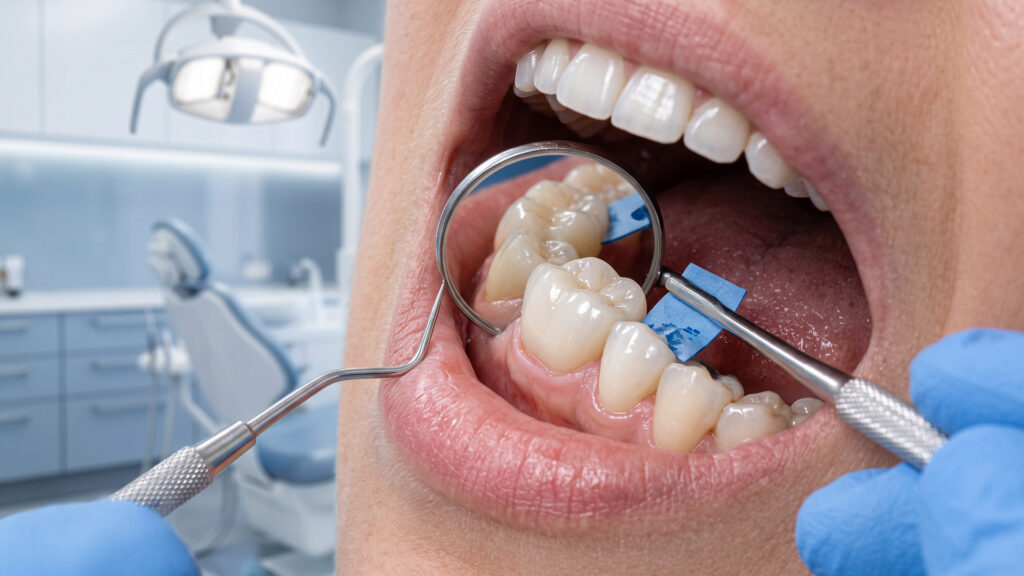
A crown can alter the shape and the points of contact of the tooth, and at first it may feel odd since your tongue and jaw are getting used to the new surface; if the crowned tooth makes first contact or seems too high when you close your mouth, it might become sore when you chew.
A dentist can generally check the bite and make a minor adjustment if necessary. You shouldn’t think you just have to get used to a crown that feels high.
The underlying nerve is irritated
A tooth’s nerve can become inflamed due to extensive decay, a deep filling, trauma, or the process of preparing a crown. In some instances, slight irritation will resolve on its own, but in other cases the inflammation will need to be thoroughly investigated and, in certain cases, root canal treatment will be required.
The fact that a tooth is sensitive isn’t enough to show that a root canal is necessary; your dentist will look at your symptoms, examine the tooth, and carry out tests or take X-rays if it’s appropriate to do so.
At what time does sensitivity become a warning sign?
If the sensitivity is severe, ongoing, or worsening rather than improving, you should contact your dentist. Contact them earlier if any of the following takes place:
- The pain persists even after the hot or cold food has been removed.
- The tooth causes pain on its own, without an obvious cause.
- You are woken up by pain during the night.
- Pain becomes sharper or more intense when something is bitten or chewed.
- The crown appears to be too high, or the discomfort from the bite sets in after a few days.
- The crown is loose, broken, flaked, or has fallen off.
- You will notice swelling, a pimple on the gum, a fever, or a bad taste.
- The gum at the part where the tooth meets the crown is very red, swollen, or bleeding.
- The symptoms improve before returning strongly.
A crown ought to protect the tooth, but that does not mean the tooth underneath is immune to problems. Decay may occur at the margin of the crown, the nerve may become inflamed, or the crown itself may be damaged. According to the Cleveland Clinic, you should contact a dentist if the crown is loose, if you have bad breath or a bad taste, or if there are cracks, chips, or sharp edges that irritate the tongue or gums.
What are the things you can do at home to alleviate discomfort?
The first step is to follow the aftercare instructions given by your dentist, since they performed the procedure and will know whether you received a temporary or permanent crown.
In the first few days, stick to foods and drinks that you find easy to eat and drink. Allow hot foods to cool a bit, and avoid very cold drinks if they cause sensitivity. If the crowned tooth is tender, chew on the other side, but don’t stop cleaning the area.
Use a soft-bristled toothbrush and fluoride toothpaste gently. When cleaning between a crowned tooth and its adjacent teeth, use floss or another interdental instrument recommended by your dental professional. It is necessary to provide daily care for the tooth under the crown and the gumline.
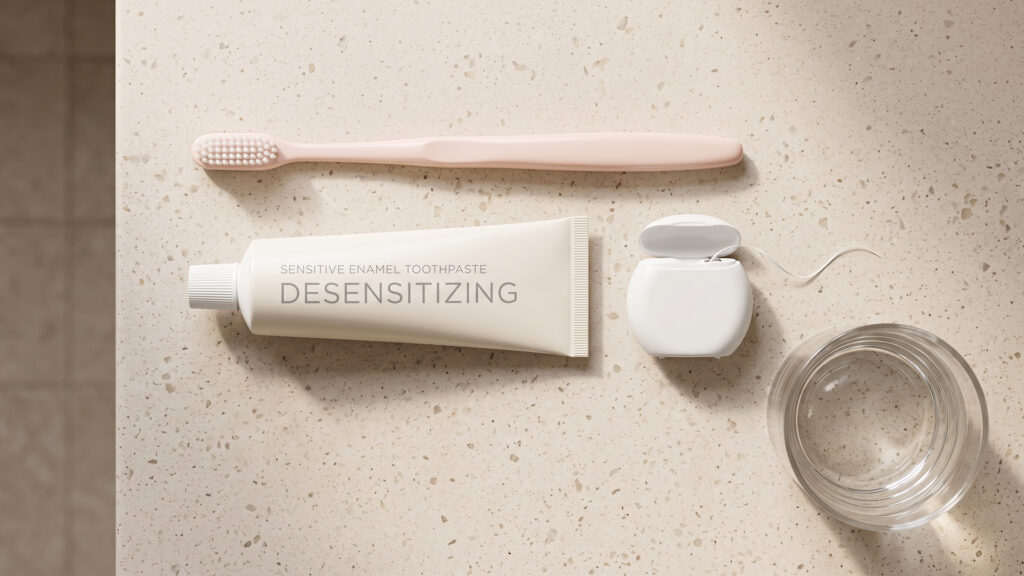
People can benefit from toothpaste designed for sensitive teeth, so they should use it regularly rather than hoping a single application will immediately cure the problem. You should ask your dentist if it’s appropriate for you.
When you need a pain reliever, you should use only a medicine that is safe for you and adhere to either the instructions on the label or those given by your dentist. Some medications are not suitable for people with certain medical conditions or for those taking particular medications. If you are not sure, consult a pharmacist or a healthcare professional.
Do not chew on ice, hard sweets, very sticky foods, or any other items that might damage or dislodge the crown; such habits can affect both temporary and permanent restorations.
What will your dentist look at?
If you telephone to enquire about sensitivity, the dental staff might ask you when the crown was placed, what causes the discomfort, how long it lasts, and whether it is getting better. Having this information will enable them to decide how soon to see you.
During a visit, the dentist can examine the crown margins, the gums, and the surrounding teeth. They might check the tooth’s reaction to heat or pressure and see whether the bite is even. If the dentist needs to evaluate the tooth under the crown or the surrounding bone, an X-ray may be suggested.
The treatment will depend on the cause; a bite adjustment could relieve the pressure, a gum problem might be improved by cleaning and proper care, a loose or damaged crown may have to be repaired or replaced, and if the nerve is severely inflamed or infected, your dentist will go over the various treatment options.
What are the proper ways of looking after a crowned tooth over the long term?
Treat a crowned tooth much like a natural tooth. Brush twice daily with fluoride toothpaste and clean between the teeth every day. Pay attention to the gumline around the crown, as plaque can accumulate there. Go in for routine examinations and professional cleanings so your dentist can check for signs of wear, gaps, decay, gum issues, or changes in your bite. Although a crown can remain in place for many years, it can still be influenced by grinding, trauma, poor hygiene, and the usual forces of chewing. If you have the habit of clenching or grinding your teeth, you should consider getting a custom night guard to protect your teeth; however, do not purchase a generic guard without first consulting a dentist, as an uncomfortable appliance may affect your bite. It may affect your bite.
A simple guide to what is expected
| Symptom after crown placement | What it may mean | Recommended action |
| Brief cold sensitivity | Common short-term response after treatment | Monitor and avoid triggers temporarily. |
| Mild gum tenderness | Irritation around the gumline | Clean gently and follow aftercare advice. |
| Crown feels high when biting | Bite may need adjustment | Contact the dentist if it persists after a few days. |
| Pain that lingers or worsens | Possible nerve or bite problem | Arrange a dental review. |
| Swelling, fever, or severe pain | Possible infection or urgent complication | Seek prompt dental care. |
| Loose, cracked, or missing crown | Restoration may be damaged or dislodged | Contact the dental office and keep the crown if it comes off. |
Conclusion
Tooth sensitivity after crown placement is often temporary. Brief reactions to hot or cold foods, along with mild gum tenderness, may improve over several days or a couple of weeks.
You do not need to suffer through severe, worsening, or persistent pain. A crown that feels too high, a loose restoration, lingering temperature pain, swelling, or a bad taste deserves a call to your dentist.
Pay attention to the direction of your symptoms. If they are steadily settling, continue gentle care and follow your dental team’s advice. If they are becoming more intense or interfering with sleep, eating, or daily life, arrange an examination rather than waiting it out.