This guide targets busy adults, parents managing family health, and anyone looking to establish practical oral hygiene routines that actually work. The information applies equally to those starting fresh with dental care or seeking to improve existing habits.
The following sections cover essential daily practices that stop problems before they start, including proper brushing and flossing techniques that take just minutes. Professional cleanings and checkups will be examined as smart investments that catch issues early and save money over time. Finally, the discussion will address simple dietary choices that naturally strengthen teeth and practical strategies for building lasting oral health habits that fit seamlessly into daily life.
Smart dental care isn’t about perfection; it’s about consistency and making informed choices that protect both oral health and financial well-being.
Essential Daily Oral Hygiene Practices That Prevent Costly Dental Problems
Effective brushing requires more than just scrubbing teeth vigorously for thirty seconds. The American Dental Association recommends a two-minute brushing routine using gentle, circular motions that target all tooth surfaces. Place the toothbrush at a 45-degree angle against the gumline, allowing bristles to reach the space between teeth and gums where bacteria accumulate most readily.
The modified Bass technique proves most effective for plaque removal. Begin by positioning bristles toward the gum line and gently vibrating the brush in small circular motions for 10-15 seconds per area. Move systematically around the mouth, covering outer surfaces, inner surfaces, and chewing surfaces of all teeth. Pay special attention to back molars, which often harbor more bacteria due to their hard-to-reach location.
Electric toothbrushes offer significant advantages over manual brushing, generating up to 31,000 brush strokes per minute compared to 300 strokes with manual brushing. Many electric models include built-in timers and pressure sensors that prevent over-brushing, which can damage enamel and irritate gums.
Choose the right toothpaste and toothbrush for your specific needs
Selecting appropriate dental care products significantly impacts oral health outcomes. Toothbrush bristles should be soft to medium-soft, as hard bristles can erode enamel and cause gum recession over time. Replace toothbrushes every three months or when bristles become frayed and bent.
Fluoride toothpaste remains the gold standard for cavity prevention, strengthening tooth enamel, and reversing early stages of decay. Adults should use toothpaste containing 1,000-1,500 ppm fluoride for optimal protection. Those with sensitive teeth benefit from formulations containing potassium nitrate or strontium chloride, which block pain signals from reaching tooth nerves.
| Toothpaste Type | Primary Benefit | Best For |
|---|---|---|
| Fluoride | Cavity prevention | General population |
| Whitening | Stain removal | Surface stain concerns |
| Sensitive | Pain relief | Temperature sensitivity |
| Tartar control | Plaque hardening prevention | Heavy plaque builders |
| Natural | Chemical-free option | Sensitive individuals |
Specialized toothbrushes serve specific needs: angled heads reach posterior teeth more effectively, while compact heads work better for smaller mouths. Toothbrushes with different bristle heights clean between teeth more thoroughly than uniform bristle patterns.
Floss effectively to reach areas your toothbrush cannot clean
Daily flossing removes plaque and food particles from the 35% of tooth surfaces that brushing cannot reach. Proper flossing technique involves using 18 inches of floss, wrapping most around the middle fingers while leaving 1-2 inches for cleaning. Guide floss between teeth using gentle back-and-forth motions, then curve it into a C-shape against one tooth surface and slide it up and down below the gumline.
Water flossers provide an excellent alternative for those who struggle with traditional string floss. These devices use pressurized water streams to dislodge bacteria and debris from between teeth and along the gumline. Studies show water flossers remove up to 99.9% of plaque from treated areas when used correctly.
Different floss types serve various needs: waxed floss slides more easily between tight teeth, while unwaxed floss provides a better grip for plaque removal. Floss picks offer convenience but prove less effective than traditional floss because they cannot curve around tooth surfaces properly.
Use mouthwash strategically to eliminate harmful bacteria
Therapeutic mouthwashes containing antimicrobial ingredients provide additional protection beyond brushing and flossing. Cetylpyridinium chloride and essential oils like thymol and eucalyptol effectively reduce bacterial counts in the mouth for up to 12 hours after use.
Timing matters when using mouthwash. Rinse either before brushing to loosen debris or 30 minutes after brushing to avoid washing away fluoride from toothpaste. Swish vigorously for 30 seconds to ensure the solution reaches all mouth areas, including between teeth and along the gumline.
Alcohol-free formulations reduce the risk of dry mouth while maintaining antimicrobial effectiveness. Those with xerostomia or taking medications that reduce saliva production should prioritize alcohol-free options to prevent further oral dryness, which increases cavity risk.
Professional Dental Cleanings and Checkups Save Money Long-Term
Regular professional dental cleanings serve as the foundation of preventive dental care, creating a protective barrier against expensive treatments down the road. Most dental professionals recommend bi-annual visits, though some patients may need more frequent appointments based on their individual risk factors and oral health status.
Professional teeth cleaning removes hardened plaque and tartar that regular brushing and flossing cannot eliminate. When left untreated, this buildup leads to cavities, gum disease, and potentially more serious complications like tooth loss or periodontal surgery. The average cost of a routine cleaning ranges from $75 to $200, while a root canal can cost between $1,000 and $2,000 per tooth.
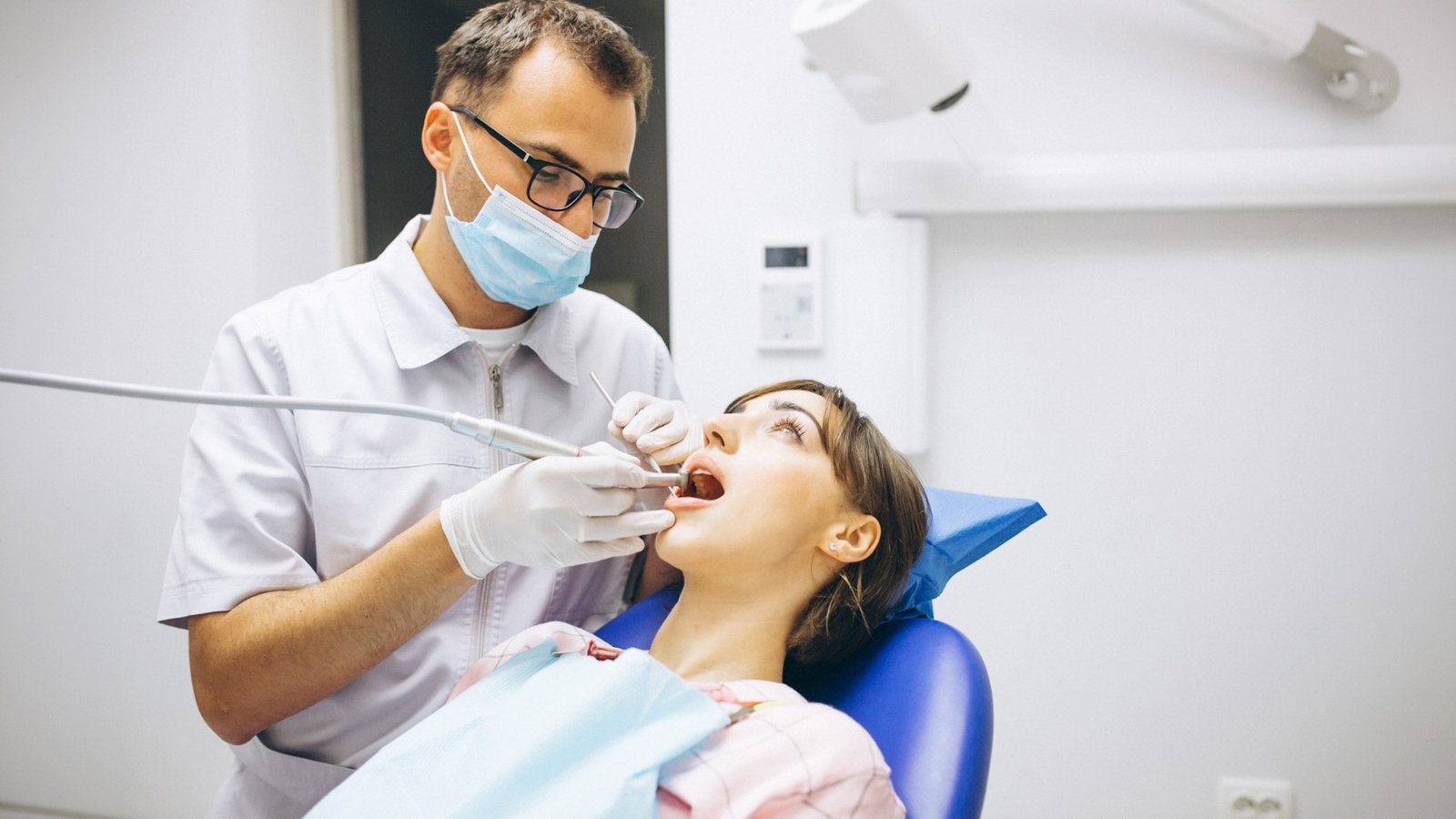
During these appointments, dental hygienists use specialized instruments to reach areas that home care routines miss. They scale away tartar deposits along the gum line and between teeth, polish surfaces to remove surface stains, and apply fluoride treatments when necessary. This thorough cleaning process disrupts bacterial colonies before they can cause significant damage to teeth and gums.
The six-month interval allows dental professionals to catch problems in their earliest stages, when treatment options remain simple and affordable. Patients who skip regular cleanings often face more complex procedures later, including deep cleanings, gum surgery, or restorative work that could have been prevented with consistent maintenance care.
Benefit from Early Detection of Cavities and Gum Disease
Early detection transforms potentially serious dental problems into manageable, cost-effective treatments. During routine checkups, dentists use visual examinations, dental probes, and X-rays to identify issues that patients cannot see or feel.
Cavities in their initial stages appear as small areas of demineralization that can often be reversed with fluoride treatments and improved home care. Once cavities progress beyond the enamel layer, they require fillings, but catching them early means smaller, less expensive restorations. Advanced cavities that reach the tooth’s pulp necessitate root canals or extractions, procedures that cost significantly more than simple fillings.
Gum disease follows a similar progression pattern. Gingivitis, the earliest stage, causes red, swollen gums that bleed during brushing or flossing. Professional cleaning and improved home care can completely reverse gingivitis. Without intervention, gingivitis advances to periodontitis, which requires deep cleaning procedures, antibiotic treatments, and potentially surgical intervention.
| Condition | Early Treatment Cost | Advanced Treatment Cost |
|---|---|---|
| Small Cavity | $150-300 (filling) | $1,000-2,000 (root canal) |
| Gingivitis | $75-200 (cleaning) | $500-3,000 (deep cleaning/surgery) |
| Cracked Tooth | $300-1,500 (crown) | $3,000-6,000 (implant) |
Digital X-rays reveal problems hiding between teeth and below the gum line, including bone loss, cysts, tumors, and impacted teeth. These imaging tools help dentists monitor changes over time and plan treatments before emergencies develop.
Receive Personalized Oral Health Advice from Dental Professionals
Dental professionals provide customized guidance based on each patient’s unique oral health needs, lifestyle factors, and risk assessment. This personalized approach addresses specific challenges that generic advice cannot solve effectively.
Patients with dry mouth conditions receive recommendations for saliva stimulants and special rinses, while those with sensitive teeth learn about desensitizing toothpastes and proper brushing techniques. People who grind their teeth at night get fitted for custom night guards to prevent costly tooth damage and jaw problems.
Dietary counseling forms another crucial component of personalized dental care. Dental professionals identify foods and beverages that contribute to tooth decay and suggest healthier alternatives. They explain how the timing of meals and snacks affects oral health, helping patients make informed choices that protect their teeth throughout the day.
Brushing and flossing techniques receive individualized attention during these visits. Many patients unknowingly use improper techniques that reduce effectiveness or cause damage to teeth and gums. Dental hygienists demonstrate correct methods and recommend specific tools that work best for each patient’s mouth structure and dexterity level.
Patients with chronic conditions like diabetes, heart disease, or autoimmune disorders receive specialized care plans that address the connection between oral health and overall wellness. These comprehensive approaches help prevent complications that could affect both dental and medical treatments.
Recognize Warning Signs Before They Become Emergency Situations
Identify symptoms of gum disease in its early stages
Gum disease begins quietly, often without causing pain or obvious discomfort. The earliest stage, called gingivitis, presents several telltale signs that require immediate attention. Red, swollen, or tender gums signal inflammation that shouldn’t be ignored. Healthy gums appear pink and firm, so any deviation from this normal appearance warrants concern.
Bleeding during brushing or flossing represents one of the most common early indicators. Many people dismiss occasional bleeding as normal, but healthy gums don’t bleed with gentle cleaning. Persistent bad breath or a metallic taste in the mouth also suggests bacterial buildup along the gum line.
Changes in gum texture provide another crucial warning sign. Gums that feel puffy, soft, or spongy differ significantly from the firm, tight appearance of healthy tissue. Receding gums, where teeth appear longer than usual, indicate tissue loss that requires professional intervention.
| Early Gum Disease Symptoms | Healthy Gum Characteristics |
|---|---|
| Red, swollen appearance | Pink, firm texture |
| Bleeding during cleaning | No bleeding with gentle care |
| Persistent bad breath | Fresh breath after cleaning |
| Puffy, tender tissue | Tight, well-attached gums |
Spot tooth decay indicators that require immediate attention
Tooth decay progresses through distinct stages, each presenting specific warning signs that demand prompt dental care. White spots or chalky areas on tooth surfaces represent the earliest form of decay, where minerals have begun leaching from the enamel. These spots often appear near the gum line or between teeth where plaque accumulates.
Brown or black discoloration signals more advanced decay that has penetrated deeper into the tooth structure. Any visible holes, pits, or rough areas on tooth surfaces indicate cavities that require immediate filling to prevent further damage.
Pain serves as a critical indicator of decay severity. Sharp, shooting pains when consuming hot, cold, or sweet foods suggest decay has reached the tooth’s inner layers. Spontaneous throbbing pain, especially at night, indicates potential nerve involvement that may require root canal treatment.
Sensitivity that persists after removing the triggering stimulus differs from normal temporary sensitivity. Prolonged discomfort after drinking cold beverages or eating sweet foods suggests significant enamel loss or deep decay.
Monitor changes in your mouth that signal potential problems
Regular self-examination helps detect oral health changes before they become serious issues. Visual inspection should include checking for unusual spots, sores, or growths anywhere in the mouth, including the tongue, cheeks, roof of the mouth, and throat area.
Persistent sores or ulcers that don’t heal within two weeks require professional evaluation. While minor mouth injuries typically heal quickly, lingering wounds may indicate infection or other underlying conditions.
Changes in bite alignment or jaw function shouldn’t be overlooked. Difficulty chewing, jaw clicking or popping, or teeth that no longer fit together properly can signal TMJ disorders or shifting teeth that need attention.
Swelling in the face, neck, or lymph nodes often accompanies dental infections. Any unexplained swelling, particularly when accompanied by fever or fatigue, requires immediate dental evaluation.
Know when sensitivity or pain requires professional evaluation
Tooth sensitivity exists on a spectrum from mild discomfort to severe pain, but certain characteristics indicate the need for immediate professional care. Sharp, electric-like pain when biting down suggests possible tooth fractures or loose fillings that require urgent attention.
Persistent aching that doesn’t respond to over-the-counter pain medications often indicates deep decay or infection. Pain that wakes someone from sleep or interferes with daily activities needs prompt evaluation.
Temperature sensitivity that lasts more than a few seconds after removing the stimulus suggests nerve irritation or damage. Normal sensitivity should resolve quickly once the hot or cold item is removed from contact with the tooth.
Localized facial swelling, particularly when accompanied by fever, indicates possible abscess formation that requires emergency treatment. These infections can spread rapidly and become life-threatening without proper intervention.
Changes in pain patterns also provide important diagnostic information. Pain that shifts from sharp to dull, or discomfort that spreads to the ear or jaw, suggests infection progression that demands immediate professional assessment.
Dietary Choices That Strengthen Teeth and Protect Your Smile

Calcium serves as the foundation for strong, resilient teeth. This essential mineral makes up about 99% of tooth enamel, the protective outer layer that shields teeth from decay and damage. Dairy products like milk, cheese, and yogurt provide highly bioavailable calcium that the body readily absorbs. Greek yogurt offers an additional benefit with probiotics that support oral health by promoting beneficial bacteria in the mouth.
Leafy greens such as kale, collard greens, and spinach deliver substantial calcium content while being low in calories. Almonds and sesame seeds provide portable calcium-rich snack options that also contain healthy fats. Canned sardines and salmon with bones offer calcium alongside omega-3 fatty acids that reduce inflammation in the gums.
Beyond calcium, phosphorus works synergistically to strengthen tooth enamel. Foods like eggs, fish, and lean meats provide this crucial mineral. Vitamin D enhances calcium absorption, making fortified foods and fatty fish particularly valuable for dental care.
Limit sugar and acidic beverages that erode protective surfaces
Sugar feeds harmful bacteria in the mouth, creating an environment where acid production flourishes. These acids attack tooth enamel for up to 20 minutes after consuming sugary foods or drinks. Soft drinks, sports beverages, and fruit juices contain both sugar and acids that create a double threat to dental health.
Citrus fruits and tomatoes, while nutritious, contain natural acids that can soften enamel temporarily. The key lies in moderation and proper timing rather than complete avoidance. Rinsing with water after consuming acidic foods helps neutralize the mouth’s pH level more quickly.
Sticky candies and dried fruits cling to teeth longer, extending the time bacteria have access to sugars. Hard candies pose additional risks by encouraging prolonged sugar exposure as they slowly dissolve in the mouth. Reading food labels helps identify hidden sugars in processed foods that might otherwise seem healthy.
Time your meals and snacks to minimize bacterial growth
Meal timing significantly impacts oral health by controlling when bacteria have access to food sources. Eating meals at regular intervals allows saliva to neutralize acids between feeding periods. Frequent snacking throughout the day keeps the mouth in a constant state of acid production, never allowing pH levels to return to neutral.
The 20-minute rule applies to each eating occasion – bacteria produce acids for approximately 20 minutes after consuming foods containing carbohydrates. Combining all snacking into designated periods reduces the total time teeth face acid attacks. Three meals plus one planned snack create fewer acid exposure periods than constant grazing.
Ending meals with cheese or nuts can help neutralize acids naturally. Cheese raises the mouth’s pH level while providing calcium and phosphorus. Raw vegetables require more chewing, which stimulates saliva production and helps clean teeth naturally.
Stay hydrated to maintain healthy saliva production
Saliva acts as the mouth’s natural defense system, neutralizing acids, washing away food particles, and delivering minerals that help repair early-stage tooth decay. Adequate hydration maintains optimal saliva production, typically requiring 8-10 glasses of water daily for most adults.
Water serves as the best choice for hydration without introducing sugars or acids that compromise dental care efforts. Fluoridated water provides additional protection by strengthening tooth enamel and making it more resistant to acid attacks. Room temperature water feels more comfortable for sensitive teeth compared to very cold beverages.
Dry mouth conditions, whether caused by medications, medical treatments, or insufficient hydration, create higher risks for tooth decay and gum disease. Sugar-free gum stimulates saliva production between meals, particularly beneficial for those with chronic dry mouth. Avoiding alcohol and caffeine, which can contribute to dehydration, supports consistent saliva production throughout the day.
Build Sustainable Habits That Make Dental Care Effortless
Building effective dental care habits starts with designing routines that fit naturally into existing schedules. The most successful approaches focus on simplicity and consistency rather than perfection. A basic morning routine should take no more than three to five minutes and include brushing with fluoride toothpaste for two full minutes, followed by mouthwash or a quick floss if time permits.
Evening routines require slightly more attention since overnight bacteria buildup poses the greatest risk to oral health. This routine should include thorough brushing, flossing between all teeth, and using an antimicrobial mouthwash. The key lies in making these activities feel automatic rather than burdensome.
Successful habit formation depends on what behavioral scientists call “habit stacking” – linking new dental care behaviors to existing daily activities. For example, placing the toothbrush next to the coffee maker creates a natural morning trigger, while keeping floss on the nightstand connects evening dental care to bedtime preparation.
Creating backup plans prevents derailed routines from becoming abandoned routines. Keep travel-sized dental supplies in multiple locations – the car, office desk, gym bag – to maintain consistency even when schedules change unexpectedly.
Use technology and reminders to stay consistent with care
Modern technology offers powerful tools for maintaining dental care consistency without relying solely on memory or willpower. Smartphone apps designed for habit tracking provide visual progress indicators and gentle accountability that many find motivating.
Electric toothbrushes with built-in timers eliminate guesswork about brushing duration, while some advanced models connect to mobile apps that track brushing patterns and provide personalized feedback. These tools transform routine dental care into an interactive experience that many users find engaging.
Calendar applications work exceptionally well for scheduling regular dental appointments months in advance. Setting recurring reminders ensures appointments don’t get forgotten amid busy schedules. Many dental offices now offer automated text or email reminders, but personal calendar alerts provide additional backup.
Smart home devices can announce dental care reminders at optimal times – perhaps a gentle reminder to floss during evening wind-down routines or morning brushing prompts while preparing breakfast. The goal involves creating environmental cues that make healthy choices feel natural and inevitable.
Make dental appointments a non-negotiable priority
Treating dental appointments with the same importance as other essential health maintenance creates a foundation for long-term oral health. This means viewing regular cleanings and checkups as preventive investments rather than optional expenses or inconvenient interruptions.
Scheduling appointments immediately after completing the previous visit eliminates the common problem of delayed booking. Most dental offices accommodate this approach and often offer preferred appointment times for patients who plan.
Building dental appointments into annual calendars alongside other important dates reinforces their priority status. Many successful patients schedule their twice-yearly cleanings to coincide with other routine activities – perhaps spring and fall appointments that align with seasonal wardrobe changes or tax preparation periods.
Financial planning plays a crucial role in making dental care non-negotiable. Understanding insurance benefits and setting aside funds for preventive care removes financial barriers that might otherwise lead to delayed treatment. Many offices offer payment plans or membership programs that make regular care more affordable and predictable.
Creating accountability systems helps maintain commitment to scheduled appointments. This might involve sharing appointment dates with family members or using personal scheduling systems that treat dental visits as unmovable commitments rather than flexible suggestions.
Conclusion:
Consistent dental care creates a powerful shield against expensive treatments and painful emergencies. Daily brushing, flossing, and regular professional cleanings work together to catch problems early when they’re still simple and affordable to fix. Recognizing warning signs like persistent bad breath, tooth sensitivity, or gum bleeding allows for quick intervention before minor issues snowball into major procedures.
Smart dietary choices and sustainable daily habits transform oral health from a chore into an automatic routine. Foods rich in calcium and phosphorus strengthen teeth naturally, while limiting sugary snacks reduces harmful bacteria growth. The investment in routine care pays dividends through avoided root canals, crowns, and emergency visits. Start with small, manageable changes today and let professional dental teams guide the journey toward a healthier, more confident smile that lasts a lifetime.