
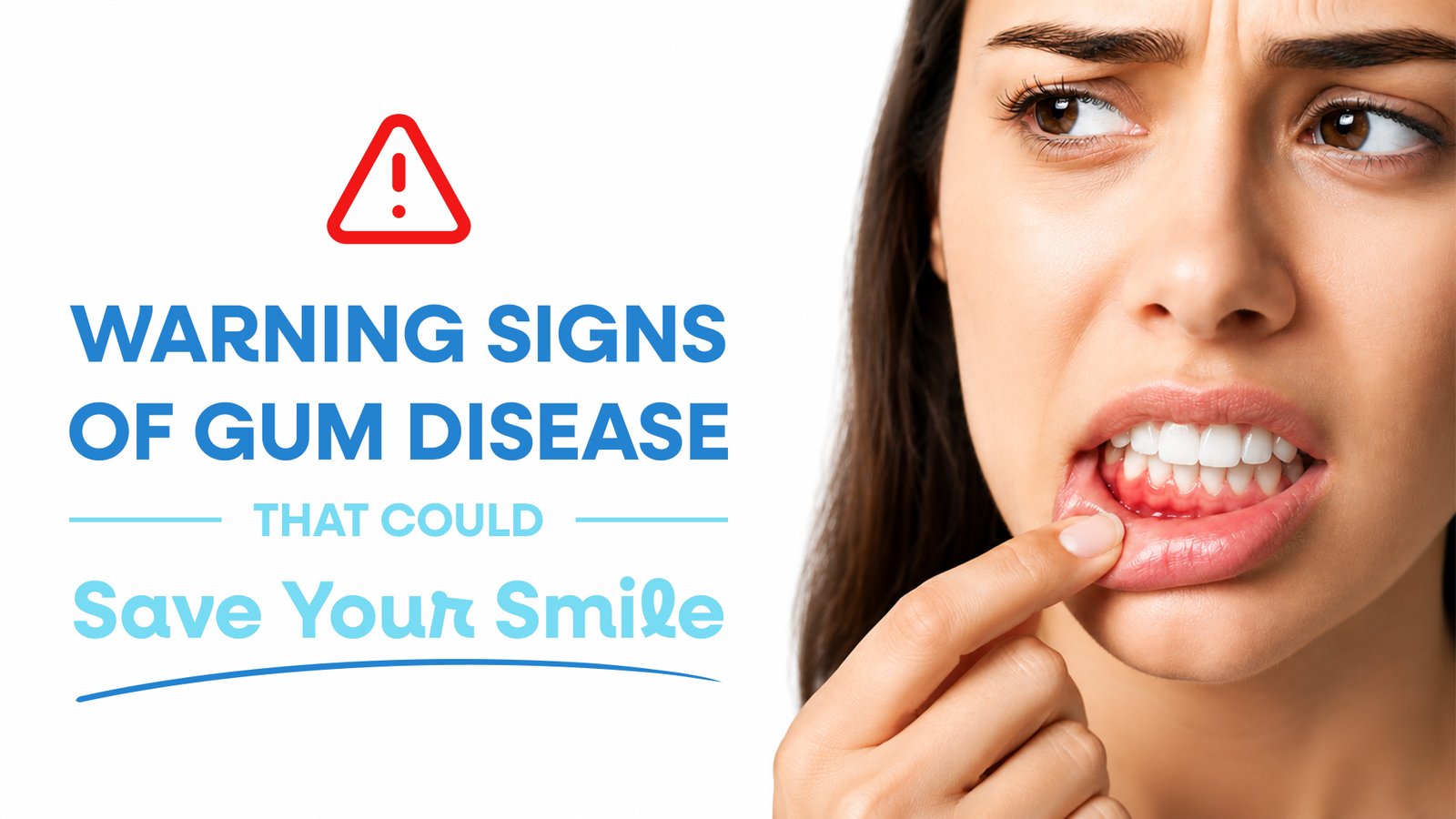
Many individuals brush their teeth twice daily, believing they are maintaining proper oral hygiene, yet are surprised to learn they have gum disease during dental visits. Gum disease is among the most prevalent health issues worldwide, affecting nearly half of adults aged 30 or older. Fortunately, it is also one of the most preventable and treatable diseases when detected early.
Gum disease often begins with mild symptoms and gradually progresses, frequently going unnoticed until it causes significant discomfort, such as a toothache or a fractured tooth. Subtle changes in the gums, occasional bleeding when flossing, or persistent bad breath may be early warning signs of underlying oral health issues.
Recognizing the signs of gum disease and understanding it enables individuals to take preventive measures and support dental professionals in reversing damage. Awareness of these warning signs is essential not only for preserving dental health but also for overall well-being. Advanced gum disease has been associated with serious conditions, including heart disease, diabetes, and stroke. Maintaining healthy gums is a critical component of long-term health.
Early Warning Signs of Gum Disease
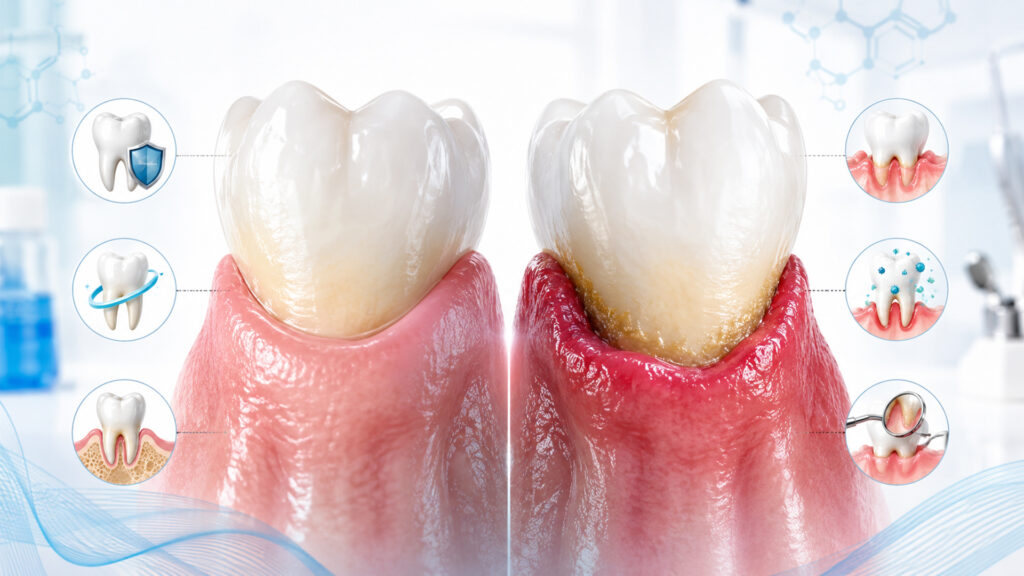
Bleeding gums are often the first sign of oral health problems. Many individuals notice pink or red discoloration on their toothbrush or in the sink after brushing and mistakenly consider it normal. However, healthy gums should not bleed during routine oral hygiene. Bleeding in this context should be regarded with the same concern as bleeding from any other part of the body.
Bleeding occurs when bacteria in dental plaque irritate gum tissue, resulting in inflammation. Inflamed tissue is more susceptible to tearing during brushing or flossing, which leads to bleeding. Avoiding flossing because of bleeding exacerbates the condition, as bacterial accumulation and inflammation worsen over time. Neglecting proper oral hygiene allows the problem to worsen.
Swollen or puffy gums, as well as tenderness to the touch, are additional early indicators of gum disease. Healthy gums should be firm and closely encircle the teeth. Swollen gums often appear red instead of pink and may feel soft or spongy. This puffiness can be more pronounced in the morning or after consuming certain foods. Some individuals may also experience a persistent unpleasant taste or bad breath that does not resolve with brushing or mouthwash.
Changes in tooth sensation during biting, such as altered bite alignment or increased sensitivity to hot or cold foods, may indicate early gum problems. These symptoms can progress if early warning signs are overlooked. Early recognition and prompt attention to these changes are essential for effective intervention.
Advanced Warning Signs of Gum Disease
As gum disease advances from gingivitis to periodontitis, signs and symptoms become more pronounced. Gum recession, characterized by the gums pulling away from the teeth and exposing more of the tooth surface, is a significant indicator. This recession creates spaces between the teeth and gums, providing areas for bacteria to accumulate and making effective cleaning more challenging.
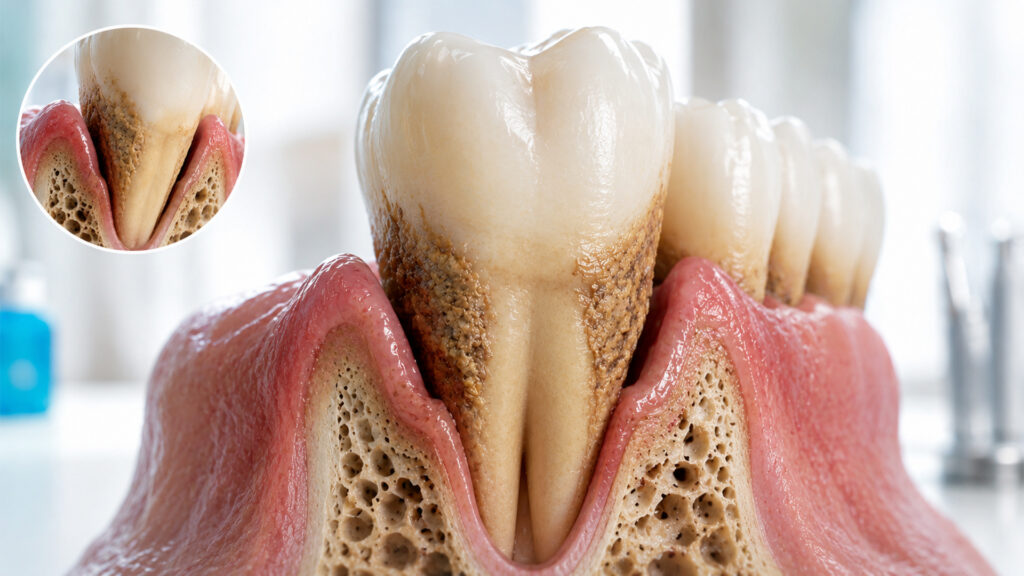
New or widening gaps between teeth may develop as infection breaks down the supporting tissues and bone, causing tooth movement. For some individuals, this may be the initial sign of advanced gum disease, often accompanied by food becoming trapped in new spaces or changes in the fit of existing dental restorations, such as fillings or crowns.
Loose teeth are among the most concerning indicators of severe gum disease. Teeth may become mobile even in the absence of cavities or previous dental issues. An undetected infection weakens the ligaments and bone that support the teeth, leading to increased mobility.
Persistent bad breath that does not resolve with routine oral hygiene is commonly associated with advanced gum disease. This odor results from bacteria and toxins produced by the infection. Individuals may become self-conscious about their breath and may avoid close interactions as a result.
How Your Dentist Can Fight Back Against Gum Disease
The initial step in professional treatment typically involves thorough cleaning, known as scaling and root planing. This procedure removes plaque and tartar from both the visible surfaces of the teeth and below the gum line, where bacteria accumulate. Scaling eliminates these deposits, while root planing smooths the root surfaces, facilitating gum reattachment.

Local anesthesia may be administered to ensure patient comfort during the procedure, especially in cases involving deep periodontal pockets or sensitive gum tissue. Treatment may be conducted over multiple visits to allow for comprehensive cleaning. Many patients report noticeable improvement in gum health within days following the procedure.
In more advanced cases, antibiotic therapy may be recommended in conjunction with deep cleaning. Antibiotics can be applied directly to infected areas as gels, fibers, or small beads that gradually release medication. Oral antibiotics may also be prescribed to address infection systemically. This combined approach targets harmful bacteria and promotes gum healing.
If gum disease has caused significant damage, referral to a periodontist, a specialist in gum disease, may be necessary. Periodontists possess advanced training and equipment to perform complex procedures, including gum grafting to cover exposed roots, bone grafting to restore lost bone, and guided tissue regeneration to promote the regrowth of supporting tissues.
Prevention Strategies Your Dentist Will Recommend
Prevention of gum disease is significantly easier and less costly than treatment after it has begun. Good oral hygiene is fundamental to prevention and extends beyond twice-daily brushing. Proper technique includes brushing at a 45-degree angle to the gum line and using gentle circular motions rather than back-and-forth scrubbing.
Proper flossing technique is also essential, as many individuals may be unaware of incorrect habits. Dental professionals often demonstrate how to form a C-curve with the floss around each tooth and guide it beneath the gum line to remove bacteria and debris that toothbrushes can’t reach. Water flossers or other specialized devices may be recommended for those who find traditional flossing challenging.
Despite optimal home care, some plaque will harden into tartar, which requires professional removal. Regular professional cleanings and checkups are therefore essential. Individuals at higher risk for gum disease, such as those with a genetic predisposition, smokers, individuals with diabetes, or those taking certain medications, may require more frequent cleanings than the standard six-month interval.
Lifestyle choices significantly influence gum health. Dental professionals may discuss factors such as smoking, stress, nutrition, and medical history, and their impact on oral health. Recommendations may include dietary modifications, stress management strategies, or referral to a physician to address underlying health conditions affecting gum health.
Conclusion
Awareness of gum disease symptoms and available dental interventions empowers individuals to maintain control over their oral health. Gum disease is largely preventable and highly treatable when addressed promptly. Early warning signs, such as persistent bleeding or bad breath, should be regarded with the same seriousness as other health concerns.
Individuals experiencing these symptoms should seek dental care promptly, as early intervention is crucial. Dental professionals routinely manage gum disease and possess the expertise and resources necessary for effective treatment. Timely action simplifies treatment and reduces costs, while delays may lead to more complex interventions or tooth loss.
Oral health is closely linked to overall health. Maintaining proper gum care preserves both dental and systemic well-being. Regular dental appointments, proactive communication with dental professionals, and consistent oral hygiene practices contribute to long-term oral health.