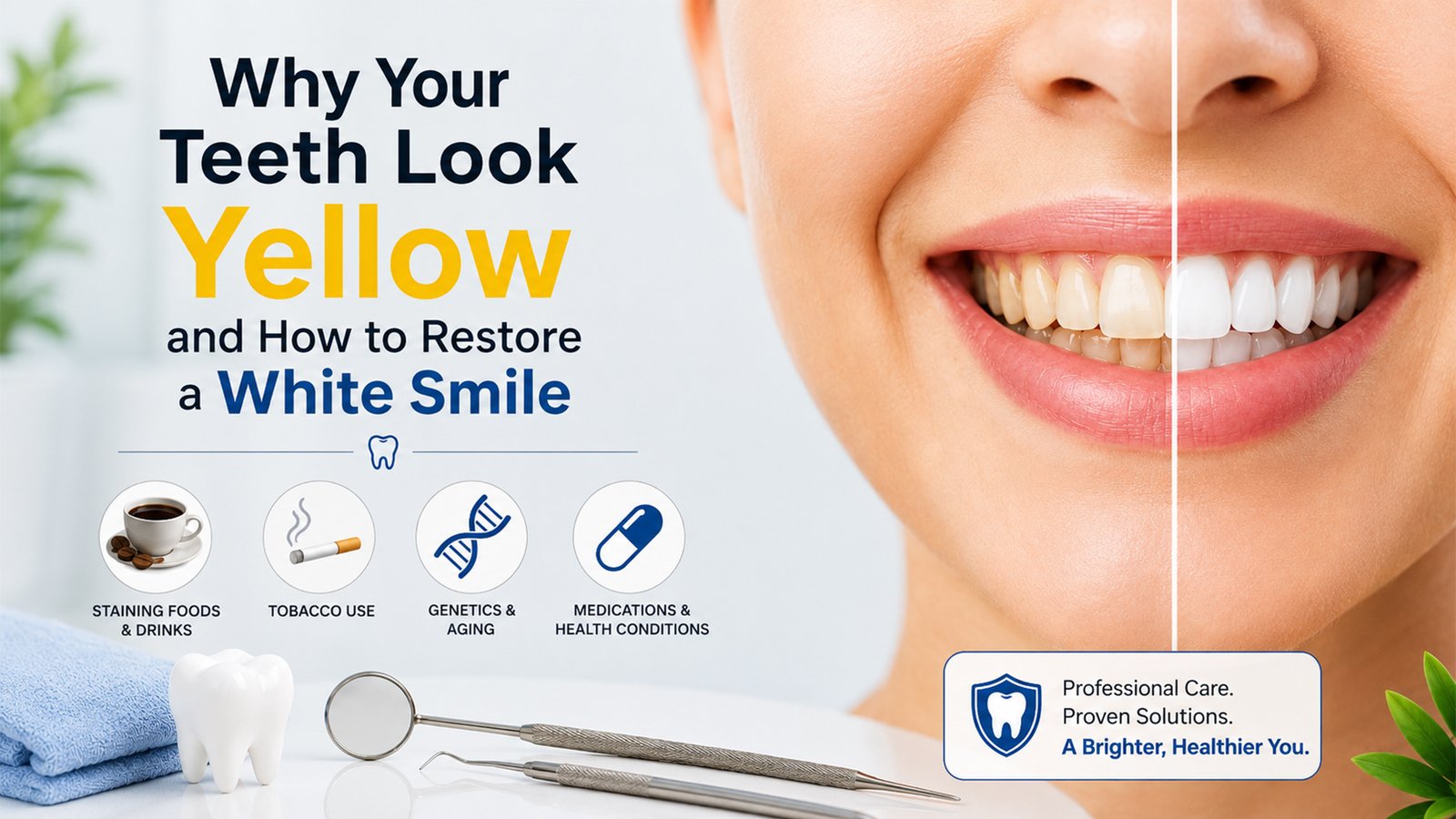
Ever look in the mirror and ask yourself, “When did my teeth start to look more like old newspaper than pearly whites? You are not the only one who is struggling in this way. Yellow teeth are a problem experienced by millions worldwide and can make anyone feel insecure about their smile. Fortunately, you can find a bright, confident smile by knowing the reason for your teeth to become yellow.
Yellow teeth are not only a matter of poor hygiene, but they can also be affected by other factors. In fact, there are a lot of not-so-obvious reasons for the loss of the whiteness of our teeth over time. Many of them are things we do every day without thinking. Others are totally beyond our control, such as aging or our parents’ genes. The fact is, there are two reasons why our teeth turn yellow: external staining and internal changes to our tooth structure.
In this article, we’re going to hit the big five reasons people get yellow teeth & provide you with simple, easy-to-follow solutions that work. Whether it’s coffee stains, yellowing from aging, or something else, you will find out what is happening to your teeth and how you can correct it. We’ll discuss everything from simple home remedies to professional treatments, so you can choose the treatment that’s right for your lifestyle & budget.
The Science Behind Yellow Teeth: What’s Really Happening
First, let’s take a quick look at the composition of teeth to understand why teeth turn yellow. Imagine your teeth as the shell of a hard-boiled egg. The outermost shell is enamel, and it is the hardest substance in the whole body. Dentin is the underlying layer, softer and yellowish. When you’re born, your enamel is thick & white, perfectly covering the yellow dentin underneath.
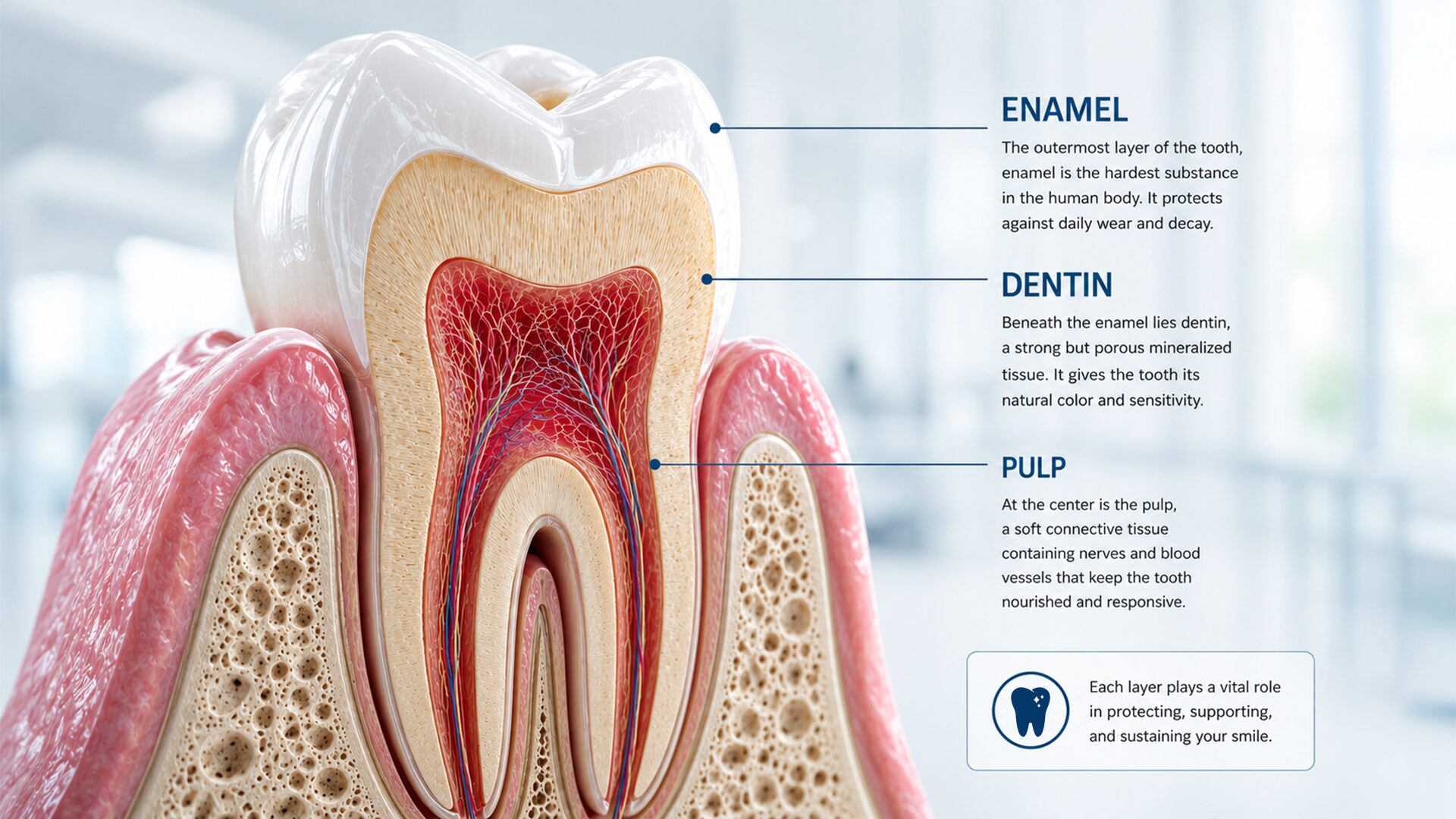
But here’s where things get interesting. The protective enamel begins to wear off as we age and when we use our teeth every day. It’s somewhat similar to how sidewalks wear out with repeated use. As enamel thins, the underlying yellow dentin becomes increasingly prominent. That’s why older people tend to develop more yellow teeth, even if they take good care of their teeth.
Another major contributor to yellow teeth is external staining. They occur when food, drink, or other materials contain colored particles that adhere to the surface of your enamel. Imagine how dirty a white t-shirt may become if you spill something on it. When the same occurs with your teeth, the stains can be more difficult to remove because they penetrate the small pores in your enamel.
What is difficult is that both processes typically unfold over very long periods, and we don’t experience them day-to-day. It is like watching grass grow: you can’t see it happen, but one day you notice your lawn is due for mowing. Likewise, one day you could wake up and find that your teeth are not as white as they were before.
Common Culprits: What’s Staining Your Smile
Let’s discuss the most problematic substances for tooth staining. Probably the most well-known is coffee, and for good reason. The red wine that makes your teeth so dark contains some of the same compounds. These tannins tend to adhere to the tooth’s enamel, & they accumulate over time, just like paint!
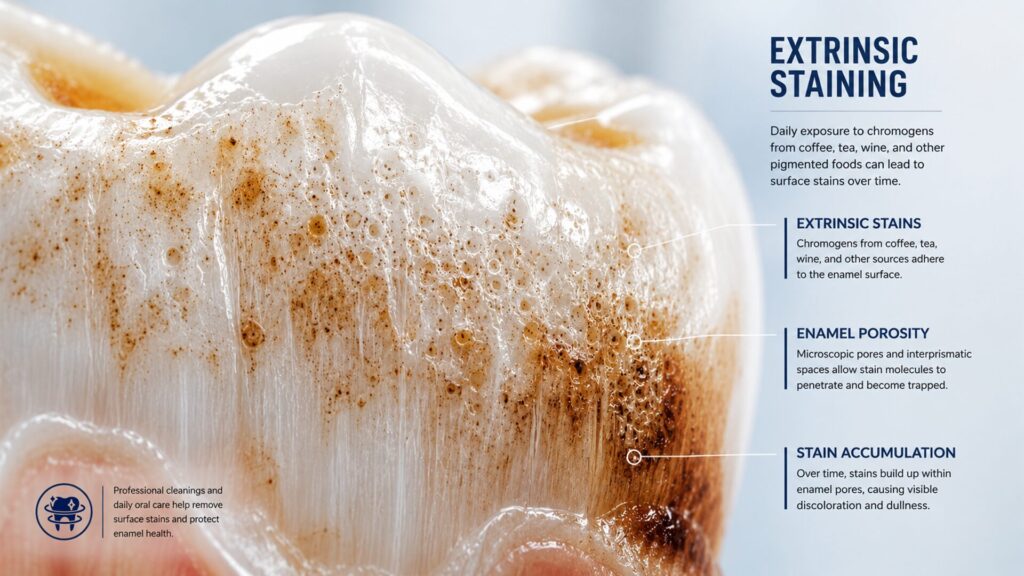
Tea can be even worse than coffee, particularly black tea, as it stains. Green tea is a little milder, but it may still cause issues when consumed throughout the day. Other big culprits are red wine, which contains tannins and acids that soften your enamel and make stains seep in more easily. Even white wine can cause issues, as the wine’s acidity can make teeth more susceptible to staining from other foods.
However, it’s not only beverages that cause problems. Certain foods can be just as bad for your teeth’s appearance. Berries such as blueberries & blackberries contain lots of healthful antioxidants, but they can also stain. Other richly colored foods, such as tomato sauce and curry, can also affect your smile. Some health foods, even those like beets, can temporarily stain if consumed frequently.
Smoking and tobacco use are quite distinct in terms of teeth yellowing. Tobacco stains are among the hardest to remove due to their tar and nicotine content. Usually, the stains are brownish or grayish and penetrate deep into the enamel. The longer someone uses tobacco, the deeper these stains will become, and it is often hard to take them off completely.
Age & Genetics: The Factors You Can’t Control
There are times when the yellow teeth are not your fault; it’s a matter of things that just happen or of old age. Enamel becomes thinner and more translucent as we get older. This is common to all, even to those who care for their teeth to the highest standard. It’s like our hair turning grey or our skin wrinkling with age. Also, the dentin beneath the enamel becomes more yellow with age, which has a second effect: it makes teeth look more yellow over time.
Teeth color is a natural trait that is heavily influenced by genes. Some people have naturally whiter enamel, while others have enamel that is more yellow or gray than white. The thickness of your enamel is also determined by your genes. No matter how well they care for their teeth, individuals with naturally thin enamel will have more of their dentin showing.
Some medications may also cause yellow teeth, particularly when used in childhood, while teeth are still developing. Antibiotics such as tetracycline are well known to cause grey or brown discoloration in children’s teeth. Other medicines (such as some antihistamines, blood pressure medicines, and anti-psychotic drugs) may also change the color of your teeth. If you think that a medicine could be having a negative effect on your teeth, it is very important to consult your doctor and/or dentist about what medicine you could consider instead.
Yellow teeth can also be caused by medical conditions. Tooth color can be affected by conditions that influence enamel development, frequent vomiting (exposing teeth to stomach acid), and certain genetic disorders. The color and health of teeth may also be affected by chemotherapy and radiation therapy. This knowledge can help explain why some people develop yellow teeth, even with excellent oral hygiene.
Simple Solutions: Easy Ways to Brighten Your Smile
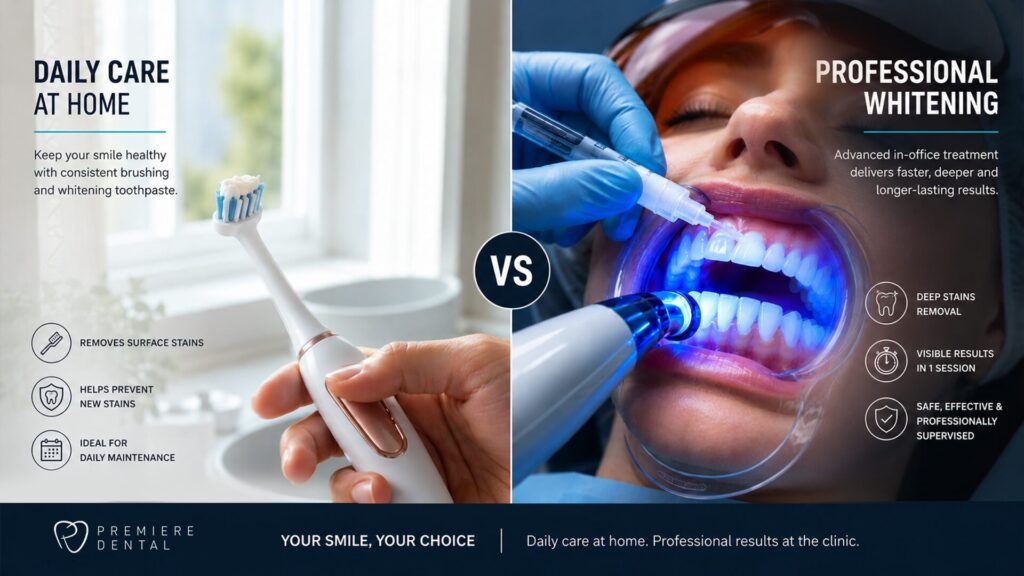
Fortunately, there are lots of ways you can help prevent and minimize tooth yellowing. Of course, the easiest thing is the most obvious: brush your teeth often with a quality whitening toothpaste. Search for toothpaste with mild abrasives or mild bleaching agents. But avoid brushing too vigorously or using toothpaste that’s too hard, as these can irritate the enamel and worsen its yellowing over time.
Using a straw can be an effective way to minimize beverage-related staining. With the straw, most of the liquid goes to the back of your mouth, not your teeth. This is particularly effective for coffee, tea, wine, and dark sodas. Even if drinking through a straw seems strange, at least rinse your mouth with water after drinking staining beverages.
If you want to keep your teeth from getting stained, timing is key. You should try to avoid brushing your teeth immediately after eating acidic foods or drinks, as the acid temporarily softens your teeth. Rather, wait around 30-60 minutes, or rinse with water first. Increased saliva production during meals will also help if the foods that stain are eaten as part of a meal, as this helps wash away staining compounds.
Oil pulling has been used for centuries and is regarded by some as a natural treatment for brightening teeth. This is done by swishing the coconut oil or sesame oil in your mouth for 10-20 minutes, then spitting it out. Although there isn’t much scientific evidence, many people report having whiter teeth and fresher breath from doing this regularly. “Try, and it may offer some additional whitening benefits as well.”
Professional Options: When to See Your Dentist
Even with good oral hygiene and home remedies, teeth may not become as white as desired. Going to a professional dental treatment will yield much more dramatic results than what you can do at home. Professional whitening procedures employ more potent bleaching solutions and can reach deeper into the enamel to remove deeper stains.
In-office whitening treatments are the quickest and most effective way to achieve significantly whiter teeth. These treatments involve applying a powerful whitening gel to your teeth, which may be enhanced with special lights or heat to accelerate the whitening process. Results are achieved in no time, typically within an hour. Renworthy results can be achieved, and teeth can be several shades whiter in just one visit.
Dentist Take-home whitening kits are also a great choice. Custom-fit your teeth with these kits, including high-strength whitening gel. The trays are worn for 1-2 weeks at a time. This will normally take longer than in-office treatments, but many people opt for it as they can manage the procedure & won’t experience as much sensitivity.
If your teeth are heavily discolored or damaged, your dentist may suggest a veneer or a crown. More Invasive and expensive, but can make a whole new smile. Veneers are thin shells of porcelain that are bonded to the front of your teeth, whereas crowns cover the entire tooth. These are permanent and can not only correct color problems but also shape & alignment problems.
Making Your Results Last: Maintenance Tips
White Teeth is not just about getting whiter; it’s also about maintaining that whiteness. Not only is it about getting whiter teeth, but it’s also about keeping them whiter. Teeth become more porous and more susceptible to staining for 24 – 48 hours after any whitening treatment. This is particularly true for dark foods & beverages. You can imagine like freshly painted walls that have to cure for a while before they can endure normal wear & tear.
It’s important that you have good daily habits to maintain your results. This is brushing twice daily with whitening toothpaste, flossing regularly, and using an antibacterial mouthwash. If you don’t already have one, try using an electric toothbrush, which may be better at cleaning surface stains than manual brushing.
To keep your teeth white, you need to have regular dental cleanings. Even with optimal home care, plaque & tartar can accumulate over time, making teeth look more yellow. These deposits are removed through professional cleaning & can help your teeth look brighter right away. Most people should get cleanings every six months, but your dentist may recommend more frequent cleanings if you tend to get stained.
Think long-term about lifestyle changes that can make a difference. If you just can’t do without coffee, consider having a quick cup and finishing it up by the end of the day. Use lighter-colored drinks if possible, or add milk to coffee to reduce staining. When you quit smoking, you will not only benefit your overall health but also avoid further staining and help maintain any whitening effect you have achieved.
It’s not difficult or expensive to get rid of yellow teeth & have a bright smile. If you know the causes of tooth yellowing and can take preventive steps to reverse it, you can find the smile you’ve always wanted. You can use simple at-home treatment, professional treatment, or a combination of both; the important thing is to be consistent and patient.
Keep in mind that everybody’s teeth are unique, & that one size doesn’t fit all. Do not get discouraged if you don’t see results immediately after trying home treatment, whitening often takes time. The key is to do something now, not wait & hope the issue will fix itself!
If you have significant yellowing or have not been satisfied with any at-home treatments, do not hesitate to seek professional dental advice at Premiere Dental. They can explain the cause of your particular tooth discoloration and provide you with the very best therapy choices for your case. Long-term savings in time, money, and frustration are yours for the asking.
Your smile is one of the first things people notice about you, and feeling good about it can have a positive influence in many ways. A proper approach & commitment can help you achieve & maintain the bright white smile you deserve. Begin using these techniques today, and you’ll be on your path to a smile that’s confident, radiant, and one you’ll be proud to show off.